
Last updated September 21, 2026
Full 25-point door and opener safety check with every visit - springs, cables, rollers, tracks, and your LiftMaster or Chamberlain opener included
You get a price before we start. It does not change when the truck arrives.
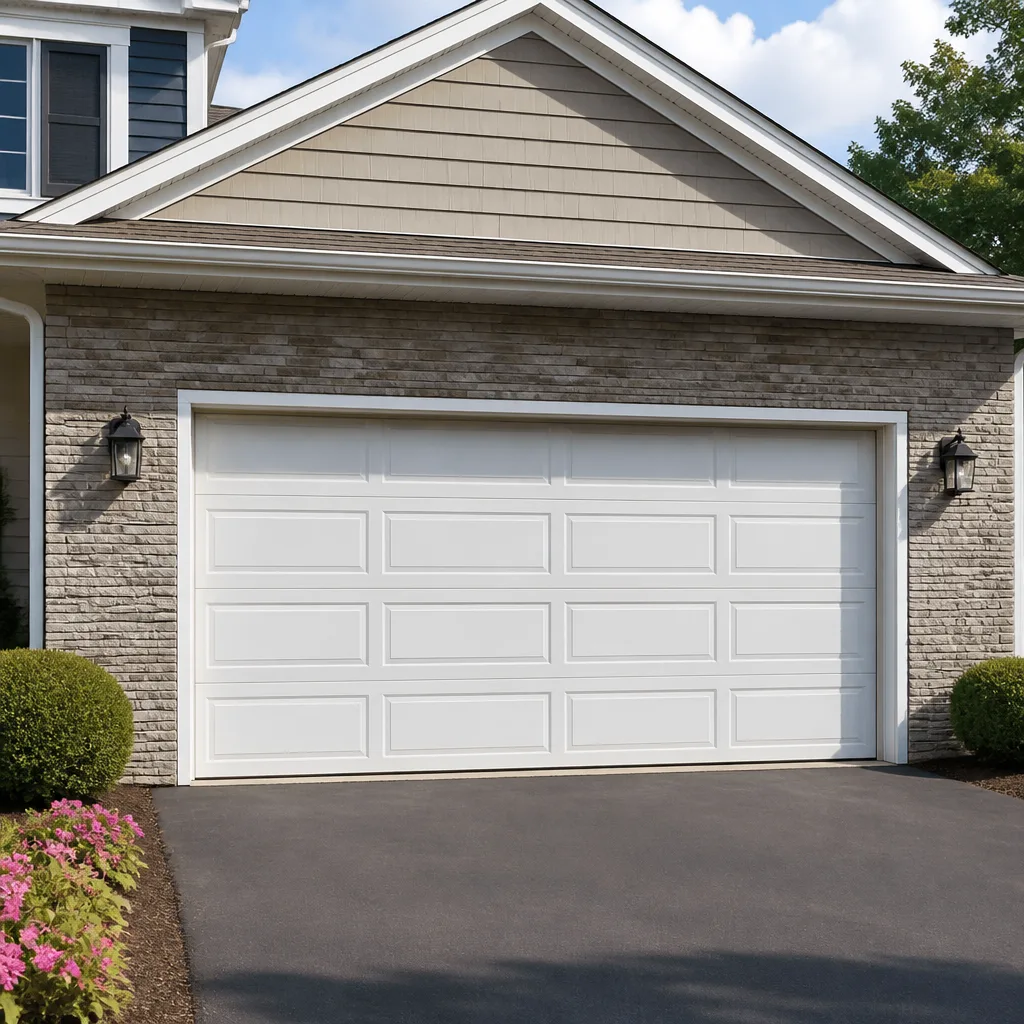
Carriage house
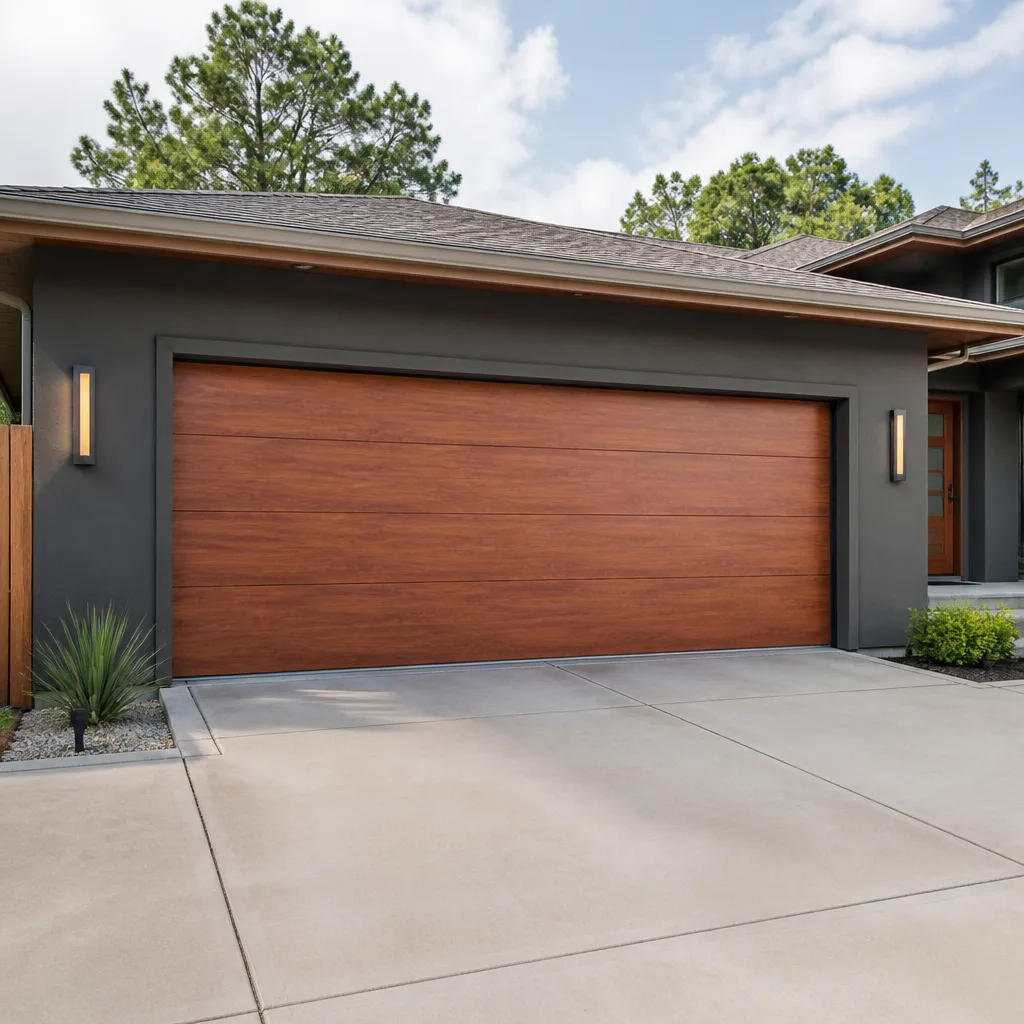
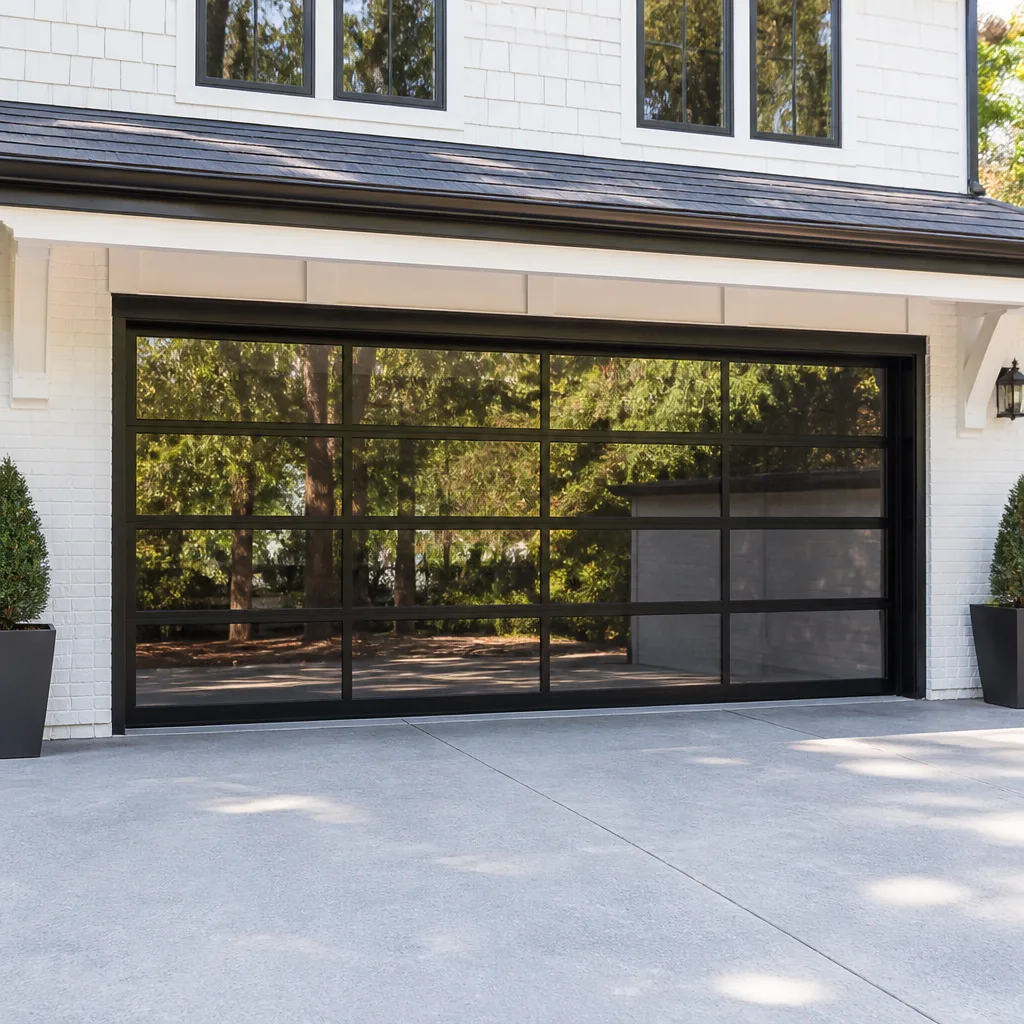
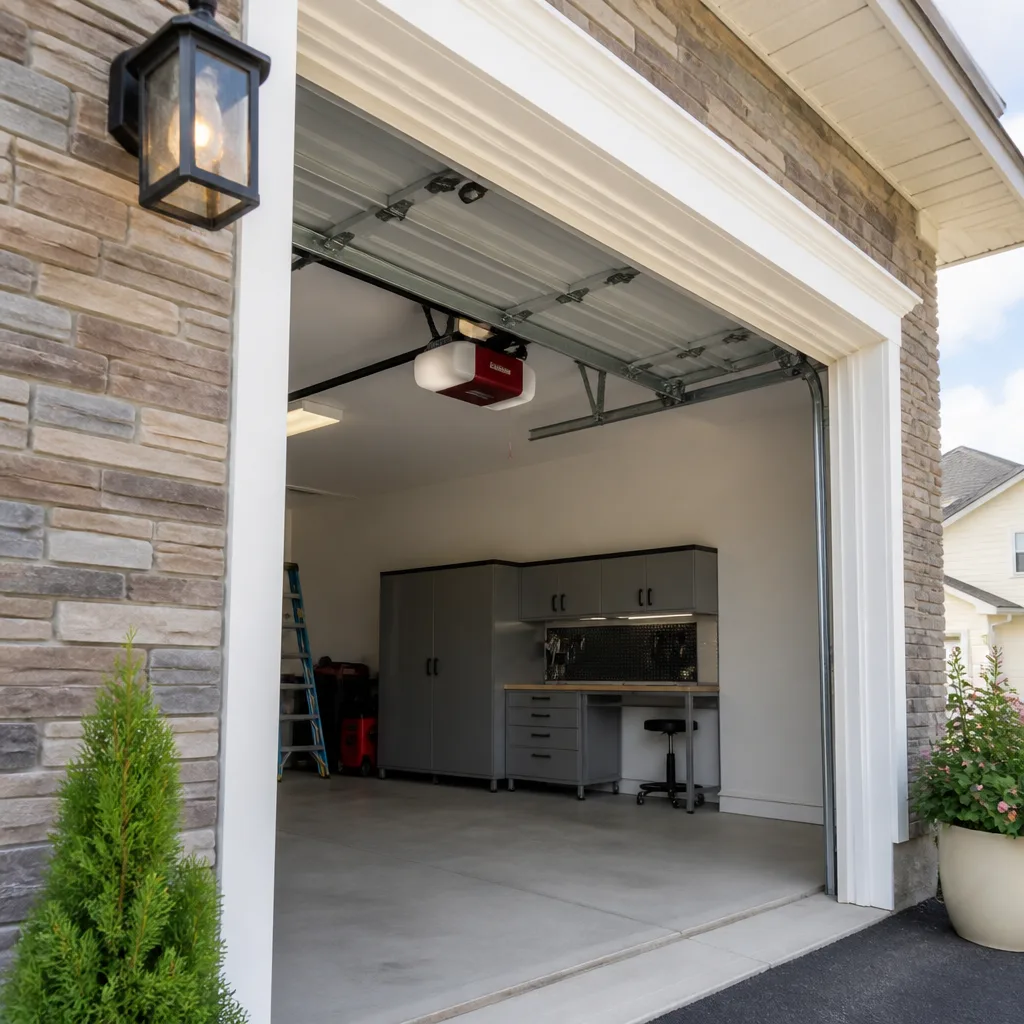
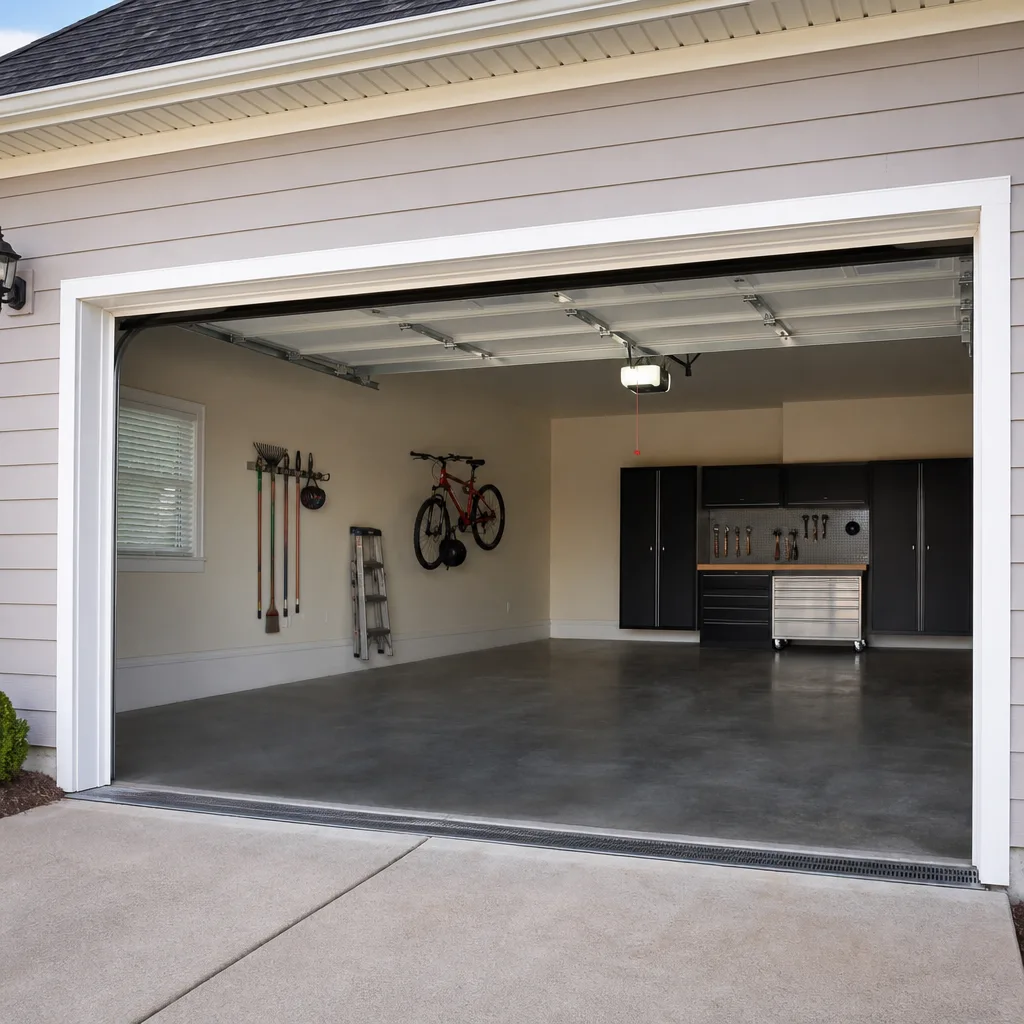
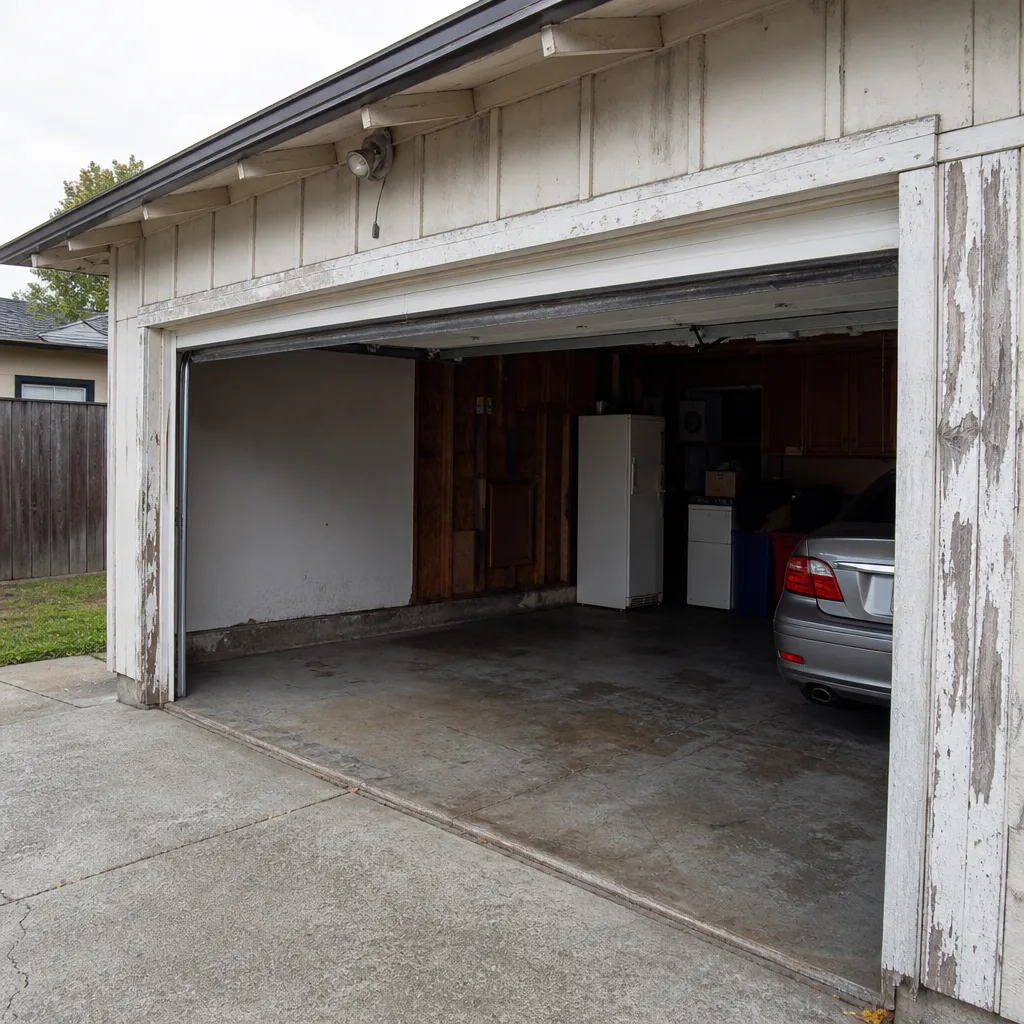 Before
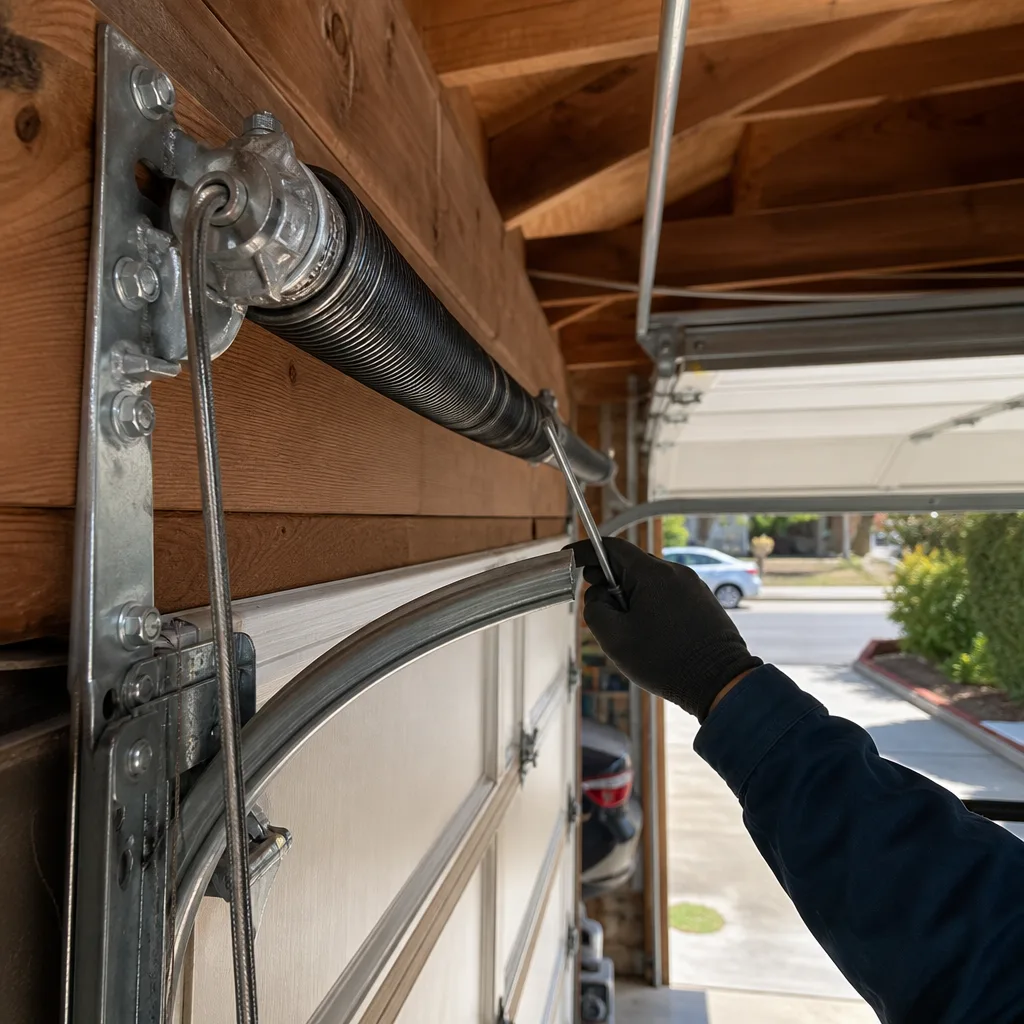 After
After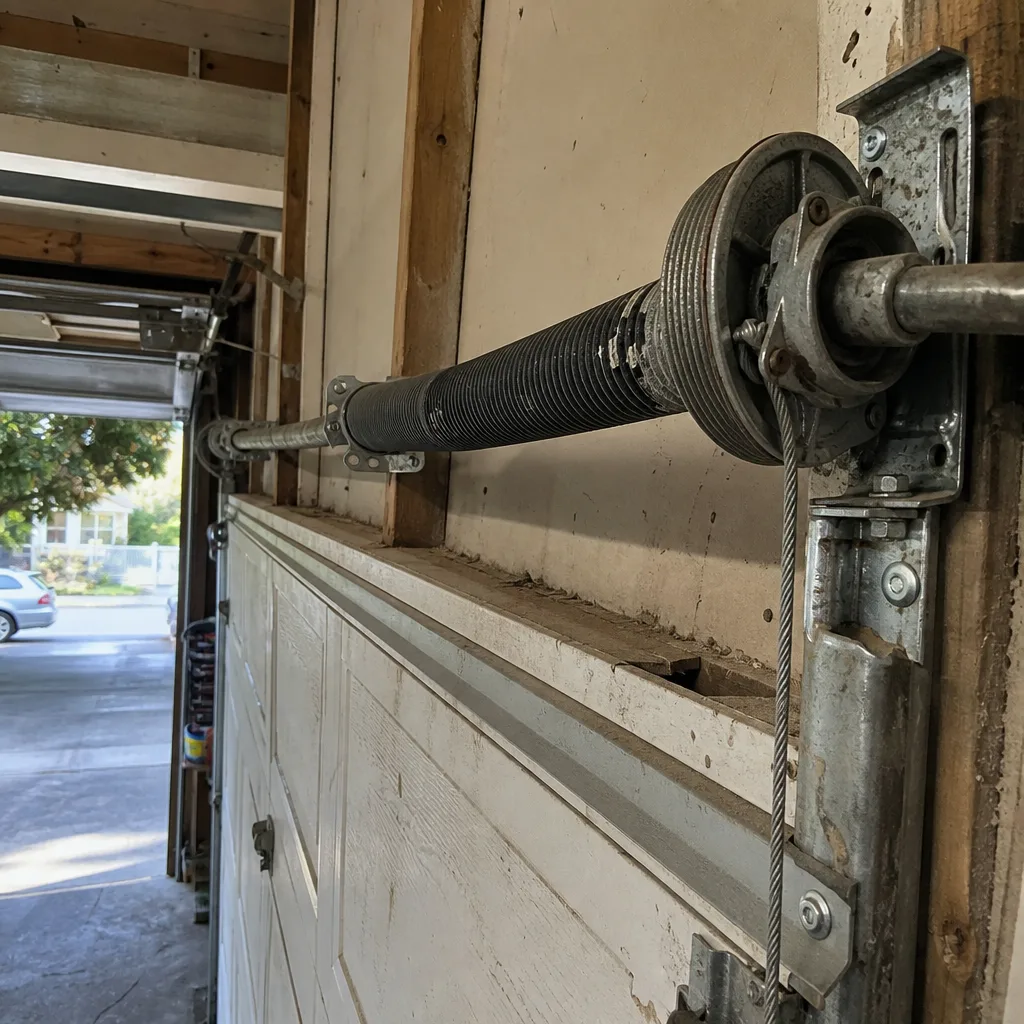 Before
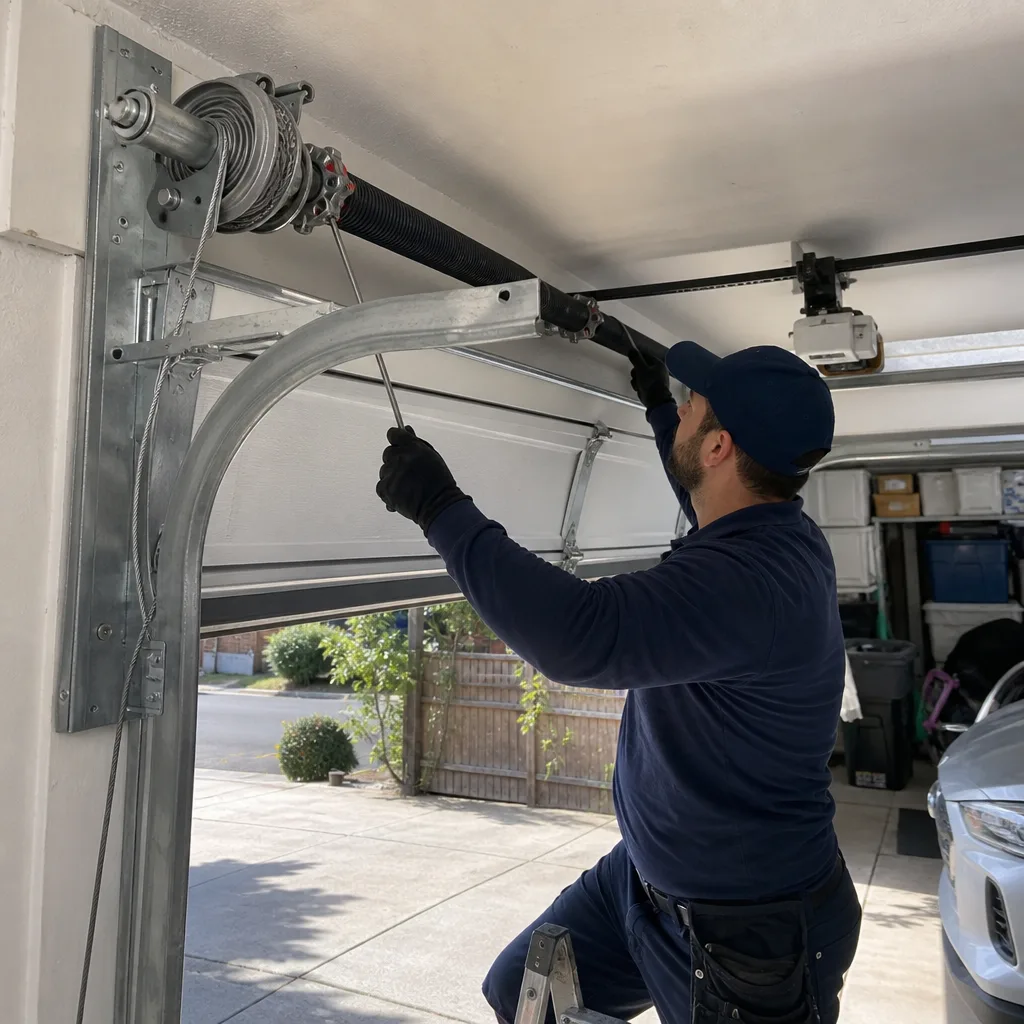 After
After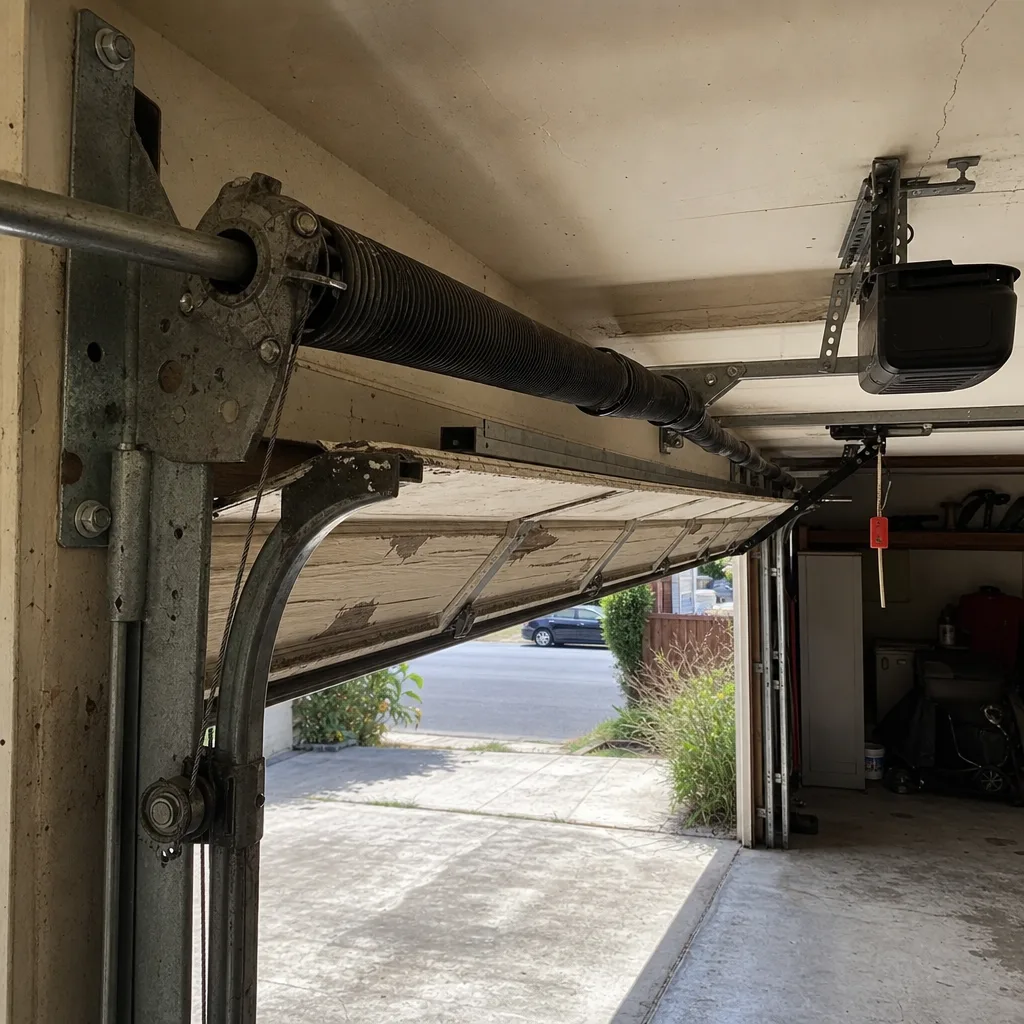 Before
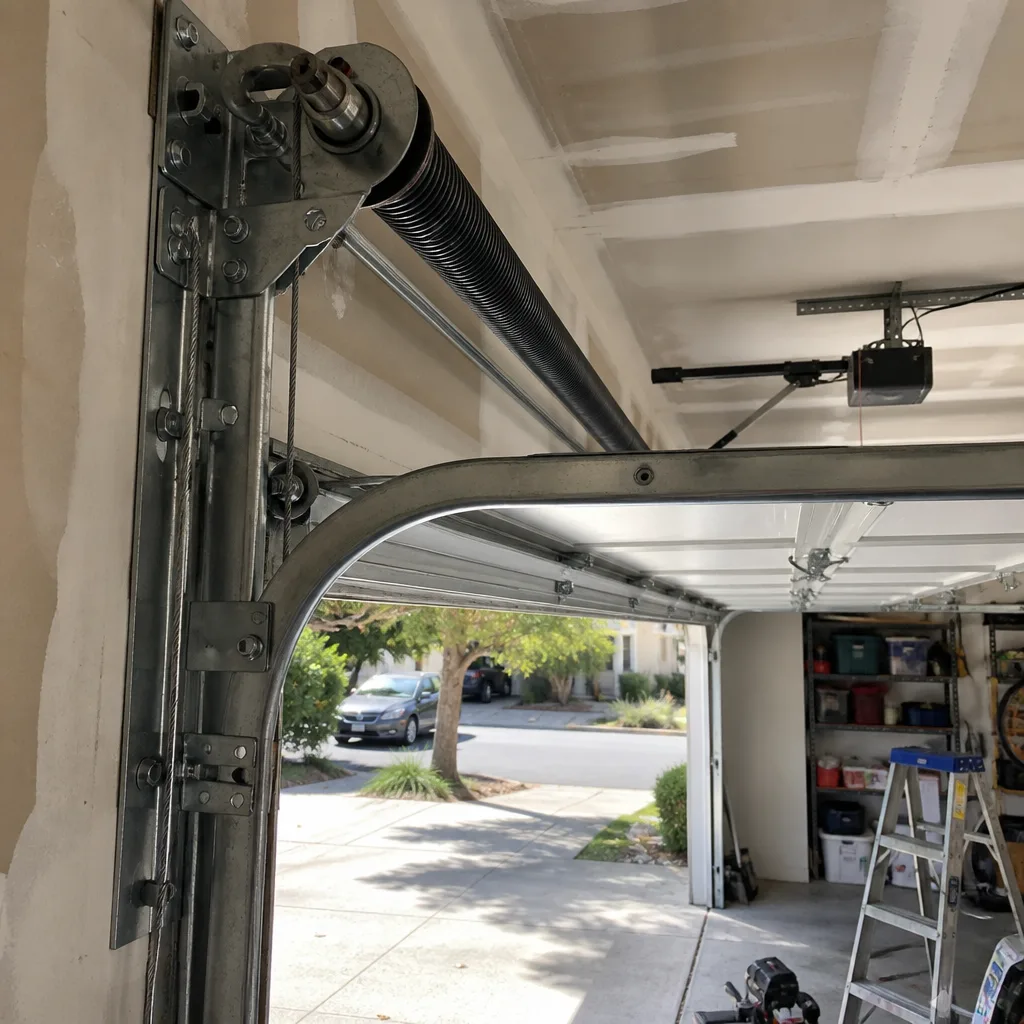 After
AfterHow to Hire a Garage Door Contractor in Oakland: A Step-by-Step Guide
California contractors are legally required to provide written contracts for jobs over $500, but that law says nothing about when the contract appears. A technician can disassemble your entire torsion spring assembly, leave your garage door unsecured, and then hand you a $900 estimate - and still be fully compliant. In Oakland, where hillside homes in Montclair and Redwood Heights often have custom wood doors weighing 400-plus pounds, that sequencing gap is where most overcharges and unsafe work happen. This guide shows you how to filter for competence before anyone touches your door, and you can explore more guides & resources for ongoing maintenance.
Quick Answer
The most reliable way to hire a garage door contractor in Oakland is to demand a written, itemized price before any work begins, and to verify they hold a valid C-61/D-28 license through the CSLB. A competent contractor will diagnose the failure mode - a broken torsion spring, a failed logic board, a misaligned safety sensor - and quote a flat price for the specific repair, not a “parts as needed” range that balloons once the door is apart.
Table of Contents
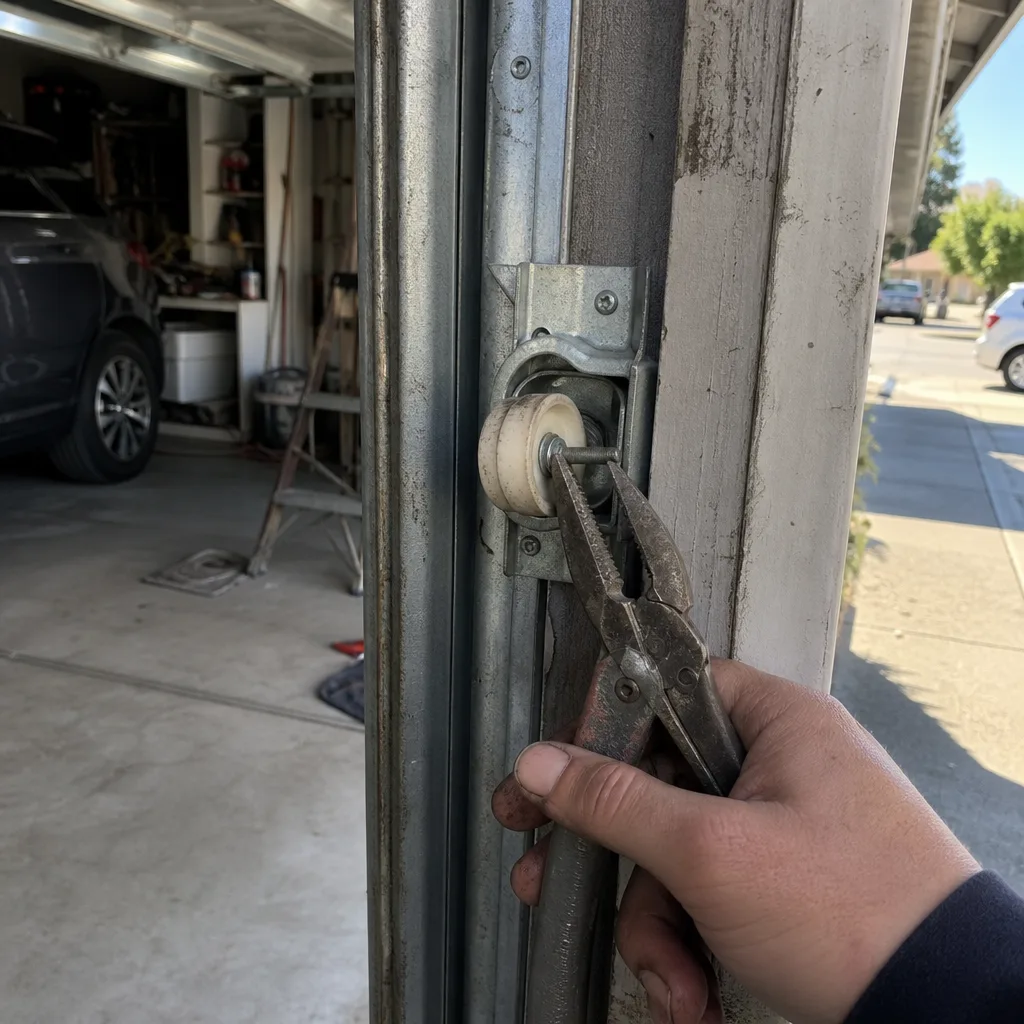
- How to Verify the Right License (C-61/D-28) in Under Two Minutes
- Five Interview Questions That Reveal Diagnostic Competence
- Why Written Upfront Pricing Protects You from Scope Creep
- The Photo Record: Evidence Before the Quote
- Red-Flag Contract Language to Reject
- How to Structure a Callback Clause for Extra Work
- Oakland-Specific Considerations: Climate, Codes, and Common Failures
- Common Mistakes to Avoid
- When to Call a Professional
- Frequently Asked Questions
 Before
 After
AfterHow to Verify the Right License (C-61/D-28) in Under Two Minutes
Garage door work in California falls under the C-61 Limited Specialty classification, specifically D-28 (Doors, Gates, and Activating Devices). This is not a general contractor’s B-license, and it is not an electrician’s C-10. A handyman with neither classification cannot legally perform garage door repair or installation on jobs exceeding $500 in labor and materials combined.
Here’s how to run the lookup:
- Go to checkthelicensefirst.com (the CSLB’s official lookup tool).
- Enter the contractor’s license number or business name.
- Confirm the classification line reads “C-61/D-28 – Doors, Gates and Activating Devices.”
- Verify the license status is “Active” and the workers’ compensation coverage shows “Certificate on file” if the contractor employs anyone.
- Check the disciplinary history link for any suspensions or citations in the past five years.
In Oakland, we’ve seen unlicensed operators working out of unmarked trucks in the Dimond District and along International Boulevard, often advertising same-day spring replacement for prices that don’t include disposal, hardware, or a warranty. The CSLB lookup takes 90 seconds. The cost of skipping it can be a door that fails within months, or worse - a spring or cable under high tension that was installed without proper winding bars.
At Servo Garage Doors Oakland home, our C-61/D-28 license number appears on every written estimate and every invoice. We don’t bury it in fine print.
Five Interview Questions That Reveal Diagnostic Competence, Not Just Sales Fluency
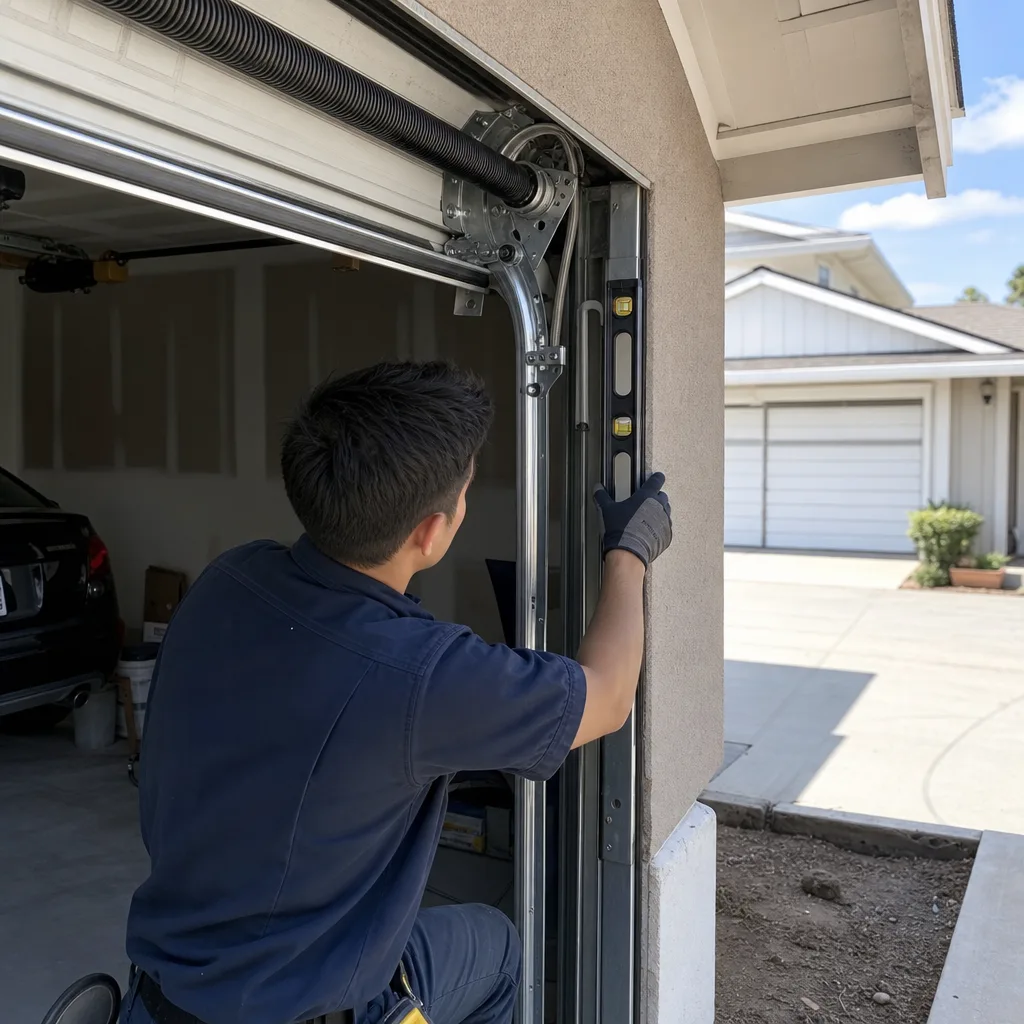
Most contractors can describe their “process” smoothly. Few can name the specific failure mode in your door before they see it, and fewer still will commit to a diagnostic method over the phone. These five questions separate technicians from salespeople:
1. “What are the three most common failure modes you see in Oakland homes built between 1950 and 1980?”
A competent technician will mention: original torsion springs past their 10,000-cycle rating; single-panel steel doors with rotted bottom rails from Bay Area moisture; and obsolete trolley carriages on chain-drive openers from the 1990s. If they answer with generic “wear and tear,” they haven’t diagnosed enough doors in Oakland’s housing stock.
2. “Will you tell me the specific part that failed before you quote the replacement?”
This is the core of diagnostic competence. A broken torsion spring has a wire diameter, an inner diameter, and a length - three measurements that determine the correct replacement. A failed logic board has a part number. A technician who says “we’ll see when we get there” is planning to sell you whatever part they carry on the truck, not what your door requires.
3. “How do you verify the door is balanced after the repair?”
The correct answer: a manual lift test to confirm the door stays at mid-travel without drifting, followed by an opener force-limit test. If they don’t mention measuring door weight or testing the force setting on the opener’s limit switch, they don’t understand the safety relationship between spring tension and automatic reversal.
4. “What documentation do I receive when the job is done?”
Look for: a written invoice matching the pre-work quote; a photo record of the failed component and the installed replacement; and a warranty document with clear terms. At Servo, this traces to Clause 4 of The Haven Standard: the technician photographs the failed part before quoting a replacement, and the customer receives that photo record before anyone leaves.
5. “If you find additional damage once you start, what happens?”
The answer should involve stopping work, showing you the new finding with photographic evidence, and obtaining a signed amendment to the original scope before continuing. Any answer that amounts to “we’ll just add it to the bill” is a red flag.
Why Written Upfront Pricing Protects You from Scope Creep
California’s written-contract law (Business and Professions Code Section 7159) sets minimum requirements for home improvement contracts. It does not require the contract to precede the work. That gap is exploited routinely: a technician arrives, disassembles the door, discovers “additional problems,” and presents a revised estimate with the door in pieces and your home unsecured.
Written upfront pricing - a flat, itemized dollar amount delivered before any tool touches the door - eliminates that leverage imbalance. It forces the contractor to diagnose from observation, not from the opportunity created by disassembly. It also creates a paper trail that both parties can reference if the scope changes.
At Servo, Clause 1 of The Haven Standard codifies this: a written price and written scope are delivered before any work starts, no exceptions. The customer knows the exact cost of a torsion spring replacement, a logic board swap, or a full door installation before the technician unloads the truck. If the diagnosis changes - say, a cable is found frayed during the spring replacement - work stops, the new finding is photographed, and a signed amendment is required before continuation.
This is not merely customer service. It is a structural protection against the most common complaint filed with the CSLB: final invoices exceeding quoted prices by 50 percent or more. In Oakland, where the median home value creates pressure to defer maintenance, an unexpected $400 add-on can mean the difference between a safe door and a dangerous one left unrepaired.
The Photo Record: Evidence Before the Quote
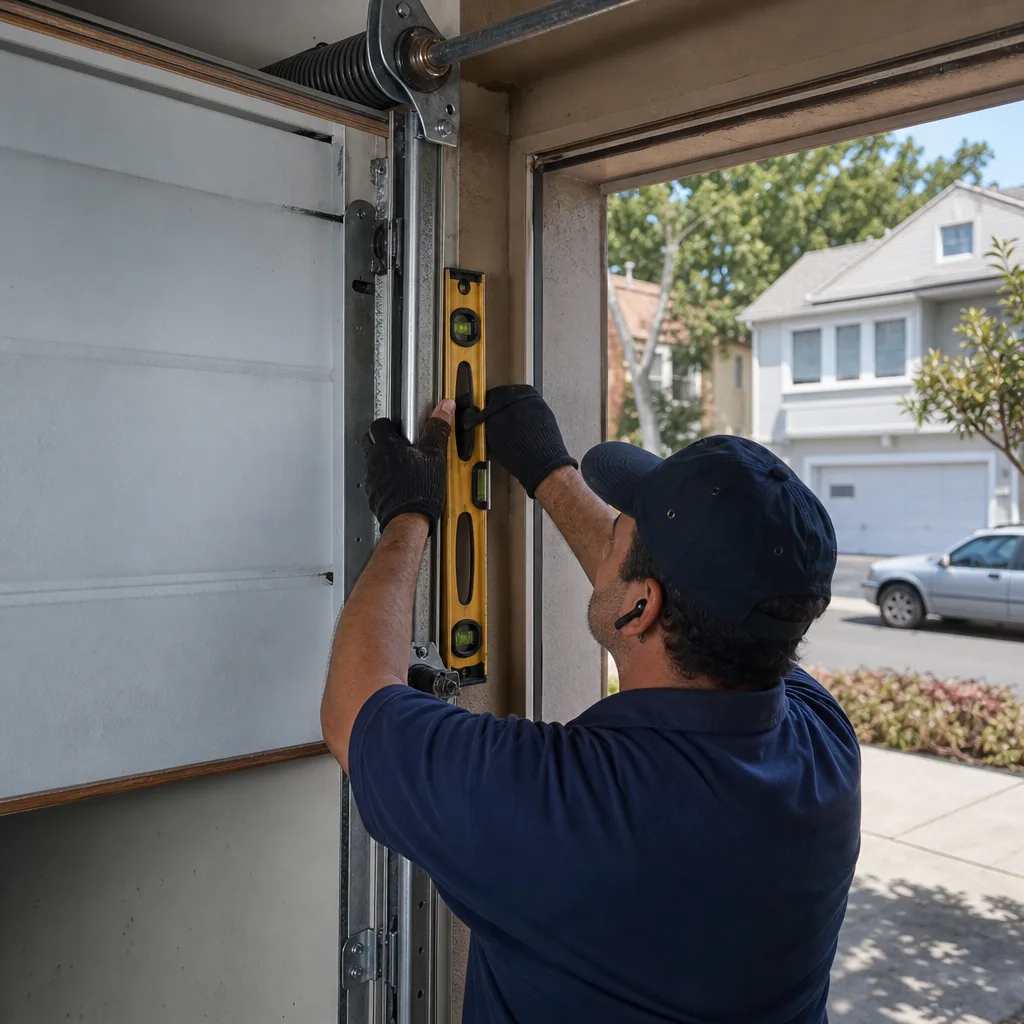
The garage door industry has a substitution problem. A customer is told their “spring is broken” and quoted for a replacement. The technician installs a spring, collects payment, and leaves. The customer has no way to verify that the spring was actually replaced, that the replacement matches the specification of the original, or that the “broken” spring wasn’t merely a loose set screw or misaligned cable.
A photo record changes this dynamic entirely. The technician photographs the failed component in place, with enough context to identify the location and the failure mode. The customer receives this image before the quote is finalized. After installation, the new component is photographed installed, with identifying marks visible. The customer now has evidence of what was found and what was done.
This practice originated as Servo’s founding rule in 2015: the customer sees the failed part before anyone quotes a replacement. It is now Clause 4 of The Haven Standard. In Oakland’s competitive contractor market, where some operators cycle through multiple company names to escape bad reviews, a photo record creates accountability that survives corporate restructuring. The image is timestamped, geotagged, and stored with the customer’s job file.
For the homeowner, the photo record also serves a practical purpose beyond dispute resolution. It creates a maintenance history. When the next technician arrives in five or ten years, the photo of the previous spring installation - showing wire diameter, wind direction, and bearing plate condition - accelerates diagnosis and prevents the specification errors that happen when every job starts from zero.
Red-Flag Contract Language to Reject
Certain phrases in estimates and contracts predict problematic outcomes with high reliability. Reject any estimate containing these terms:
- “Parts as needed” - This is a blank check. It permits unlimited substitution without your approval and often masks upcharging on generic components sold at brand-name prices.
- “Diagnostic fee applied toward repair” - This creates pressure to approve whatever repair is proposed, since declining means forfeiting the fee. A proper diagnostic is part of the service, not a hostage mechanism.
- Price ranges wider than 20 percent without a stated condition variable - “Spring replacement: $200-$500” with no explanation of what drives the variance is not an estimate; it is a fishing expedition. The wire diameter and length of a torsion spring are knowable before ordering. The condition of the end bearings is visible. Unexplained wide ranges indicate either incompetence or intentional bait-and-switch.
- “Time and materials” - For standard garage door repairs, this is almost never appropriate. A torsion spring replacement, a safety sensor realignment, or an opener logic board swap has a predictable scope. Time-and-materials billing rewards inefficiency and creates invoice uncertainty.
- Warranty language referencing “manufacturer’s defect only” - This excludes installation errors, which are the more common failure mode. A proper workmanship warranty covers both the part and the labor to correct a faulty installation.
In Oakland, we’ve reviewed competitor estimates from the Laurel District and Jack London Square that combined three of these red flags in a single document. The customer had already paid a $129 “diagnostic fee” and faced a $600-plus “repair authorization” to avoid forfeiting it.
How to Structure a Callback Clause for Extra Work
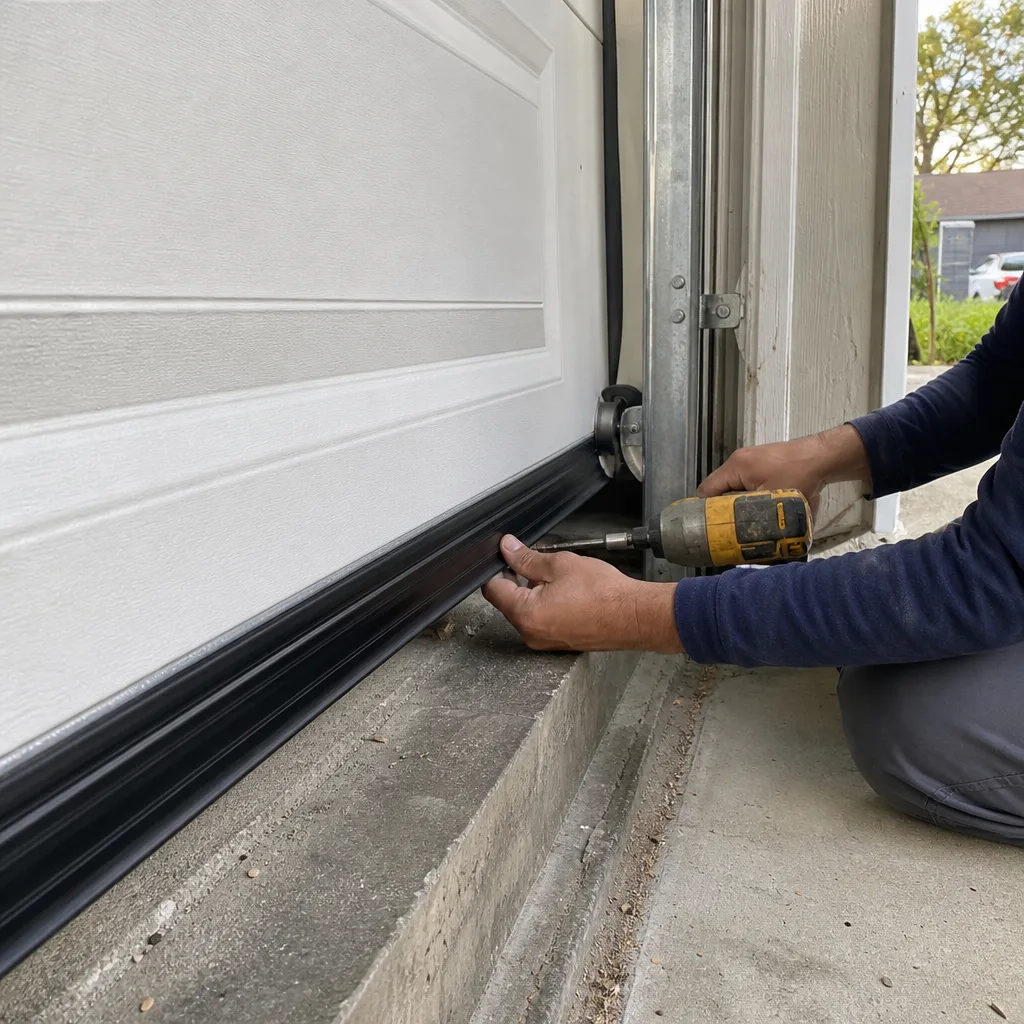
Even with thorough upfront diagnosis, some conditions are not visible until work begins: corrosion inside a hollow steel tube, a cracked drum hidden behind a cable wrap, or a rotted jamb beneath intact trim. A proper callback clause protects both parties when the scope must expand.
Here’s the structure we recommend:
- Stop work immediately upon discovering the additional condition. Do not proceed with the expanded scope without explicit authorization.
- Photograph the new finding in context, with enough detail to identify the component and its location. The photo becomes part of the job record.
- Present a written amendment specifying the new scope, the additional parts required, the added labor time, and the revised total price. This must be a separate document, not a verbal addition.
- Obtain a signature on the amendment before any further work. In California, verbal authorizations for home improvement work over $500 are unenforceable.
- Retain both documents - original estimate and signed amendment - for the warranty period and any future service calls.
At Servo, this process is built into every job. Our technicians carry tablets with digital signature capability. An amendment can be generated, photographed, and signed on-site in under five minutes. The customer receives copies immediately via email or text.
This matters in Oakland’s older neighborhoods particularly. Homes in Rockridge and Temescal often have original 1920s garages with non-standard rough openings, requiring header modifications or custom jamb extensions that aren’t visible until the existing door is removed. A contractor without a callback protocol will either absorb unprofitable extra work (and cut corners to recover margin) or surprise the homeowner with an invoice they didn’t authorize.
Oakland-Specific Considerations: Climate, Codes, and Common Failures
Oakland’s geography and housing stock create distinct garage door challenges that a generic contractor may not recognize.
Moisture and Salt Air
Homes within two miles of the Bay, particularly in Alameda-adjacent neighborhoods and along the Embarcadero cove, see accelerated corrosion on galvanized torsion springs and steel hinges. The salt-laden marine layer penetrates garage spaces that aren’t fully sealed, especially in homes with original wood doors that have warped at the bottom rail. We’ve replaced springs in West Oakland that failed at 6,000 cycles instead of the standard 10,000, with pitting visible on the wire surface. A contractor who doesn’t inspect for environmental corrosion will install a standard spring and see it fail prematurely.
Hillside Settling and Door Alignment
Montclair, Piedmont Pines, and the Oakland Hills generally experience foundation movement from seasonal moisture changes in the clay soils. Garage door frames shift. A door that operated smoothly in October may bind in March. The fix is rarely a new door; it’s track realignment, jamb shimming, or in persistent cases, a header adjustment. A contractor who sells doors instead of diagnosing alignment will quote $3,000 for a problem solvable with $400 in track work.
Permit Requirements for New Installation
The City of Oakland requires building permits for new garage door installations that alter the opening size or involve structural modification. Simple replacement of an existing door in the same opening typically does not require a permit, but adding a window section, changing from a swing-out to an overhead door, or modifying the header does. An unpermitted structural modification can complicate home sales and insurance claims. Verify permit status before authorizing any work that changes the opening.
Historic District Considerations
Portions of Oakland, including parts of Preservation Park and certain blocks in Old Oakland, fall under historic preservation guidelines. Exterior modifications visible from the street may require design review even for garage doors. A contractor unfamiliar with local preservation processes can install a non-compliant door that triggers a violation notice.
Common Brand Presence
Oakland’s 1990s-2000s housing boom installed large numbers of LiftMaster chain-drive openers and Genie screw-drive units. These are now at end-of-life for their original logic boards and trolley carriages. A contractor should carry current parts for these brands or be able to source them without extended delay. Servo stocks components for all eight major brands, including Chamberlain and Clopay, and can typically complete a same-day opener repair without a return visit.
Common Mistakes to Avoid
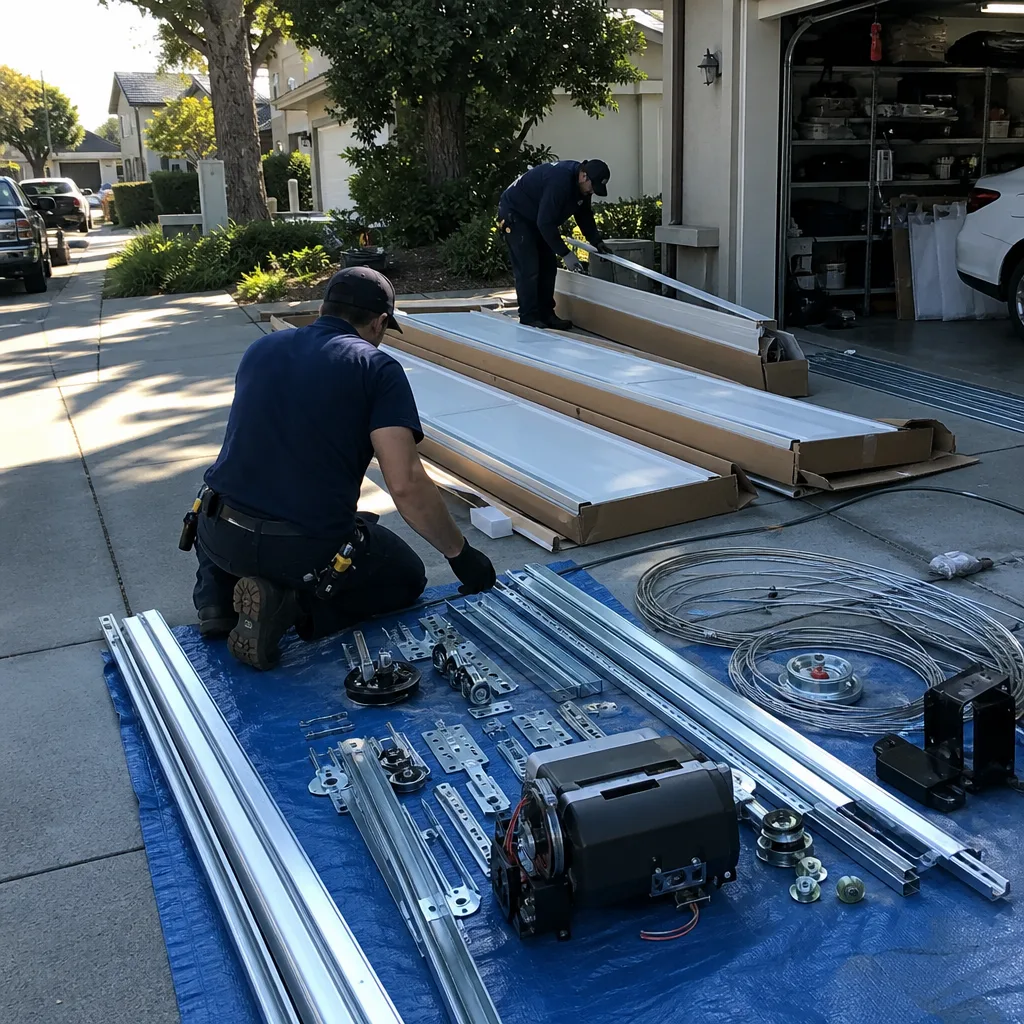
- Hiring based on lowest price alone - In Oakland’s contractor market, the lowest bid often excludes disposal fees, permit costs, or warranty labor. A $180 spring replacement becomes $340 after “trip charge,” “environmental fee,” and “extended warranty” additions. Compare written, itemized totals only.
- Accepting verbal estimates - California law requires written contracts over $500, but many homeowners accept verbal “ballpark” figures that balloon. Insist on a written, signed estimate before work begins.
- Ignoring the warranty terms - A “lifetime warranty” on a spring means little if it covers only the part and excludes the labor to replace it. Read the full warranty document, not the salesman’s summary.
- Not asking about technician background checks - Garage door repair requires access to your home and knowledge of your security system. Verify that technicians are background-checked and uniformed, not day-labor subcontractors.
- Scheduling installation during rainy season without moisture protection - Oakland’s November-March wet period can damage unprotected wood doors and warp steel door sections if the garage interior isn’t sealed during installation. Confirm the contractor’s plan for weather protection.
- Failing to test the safety reversal system after repair - Federal law (UL 325) requires automatic reversal on contact. A contractor who doesn’t demonstrate this test before leaving has not completed the job safely.
When to Call a Professional
Some garage door conditions are genuinely dangerous and should not be approached by homeowners, as explained in our DIY vs Professional Garage Door: The Oakland Homeowner’s Decision Guide. A torsion spring under tension stores enough energy to cause serious injury or death if improperly handled. Frayed cables can snap unpredictably. A door that has dropped off its track can fall without warning.
Call a professional immediately if: the door is stuck partially open and will not close; you hear a loud bang from the garage and the door now feels heavy to lift manually; the opener runs but the door does not move; or a cable has come off the drum and hangs loose. These conditions indicate high-tension component failure that requires specialized tools and training.
For routine concerns - slow operation, remote inconsistency, minor noise - a Garage Door Repair in Oakland inspection can identify developing problems before they become emergencies. Garage Door Installation in Oakland should be handled by licensed contractors for any new door or opener system. And for Garage Door Opener Repair & Installation in Oakland, electrical safety and force-limit calibration require professional equipment.
Servo Garage Doors Oakland offers free estimates in Oakland - call (628) 300-0423. Every estimate includes a written, itemized price before any work begins, per Clause 1 of The Haven Standard.
Frequently Asked Questions
Torsion spring replacement in Oakland typically runs $220-$380 for a standard 10,000-cycle spring, including labor and disposal. Opener logic board replacement ranges $180-$320 depending on the brand and model. Track realignment or roller replacement usually falls between $150-$280. These are flat, written prices - not estimates that change once the technician arrives. Call (628) 300-0423 for an exact quote; estimates are free.
The correct classification is C-61/D-28 (Doors, Gates, and Activating Devices). Verify this at checkthelicensefirst.com using the contractor’s license number. A general B-license or handyman exemption is not sufficient for garage door work over $500.
No. Torsion springs are under extreme tension and require specialized winding bars and training to handle safely. Improper release of stored energy can cause serious injury or death. This is not a DIY project. A trained professional has the tools and the insurance coverage for this work.
Demand a written, itemized price before work begins and compare it to the line-item ranges in this guide. Reject any “parts as needed” language or price ranges wider than 20 percent without explanation. Servo offers a free second opinion on any competing written estimate - bring the paperwork, no coupon required.
Standard replacement of an existing door in the same opening typically takes 3-5 hours. New construction or modifications to the rough opening may require 1-2 days including permit approval and inspection scheduling. Installation is measured, ordered, and scheduled - not same-day work.
LiftMaster and Chamberlain dominate the market for belt and chain-drive openers, with Genie screw-drive units common in 1990s construction. Clopay and Amarr are the most frequently installed door brands. A competent contractor carries parts and has current training for all major brands, not just one or two.
The Bottom Line
The single most reliable filter for a competent garage door contractor in Oakland is not their review count or their years in business - it is whether they produce a written, itemized price before touching your door. That practice forces diagnosis before sales, creates a paper trail for dispute resolution, and protects you from the scope creep that turns a $200 repair into a $900 invoice. Verify the C-61/D-28 license. Ask the five diagnostic questions. Reject red-flag contract language. And insist on a photo record that shows you exactly what failed and exactly what was installed. These steps take 15 minutes before you call anyone. They save hours of dispute and hundreds of dollars in surprise charges.
Written by Marcus Deller, Owner at Servo Garage Doors Oakland, serving Oakland since 2015.