
Last updated September 21, 2026
Full 25-point door and opener safety check with every visit - springs, cables, rollers, tracks, and your LiftMaster or Chamberlain opener included
You get a price before we start. It does not change when the truck arrives.
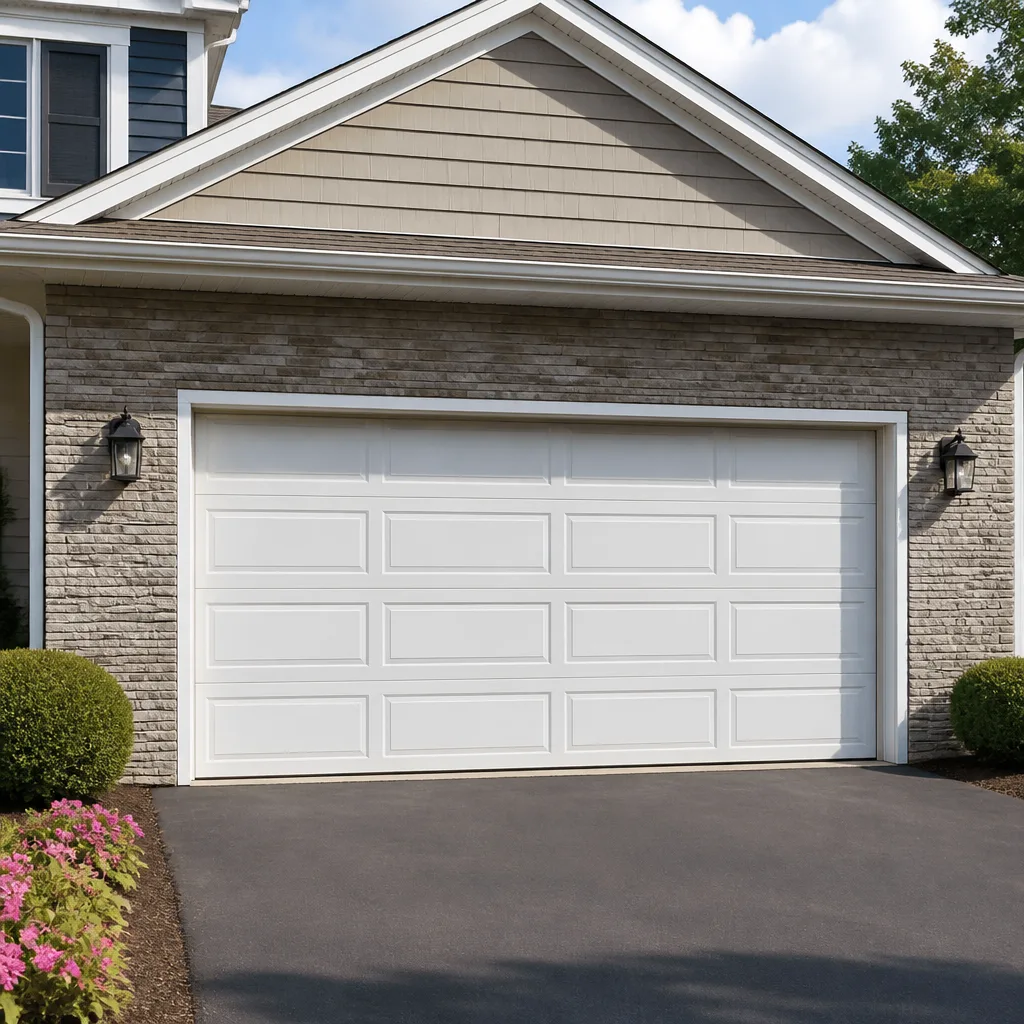
Carriage house
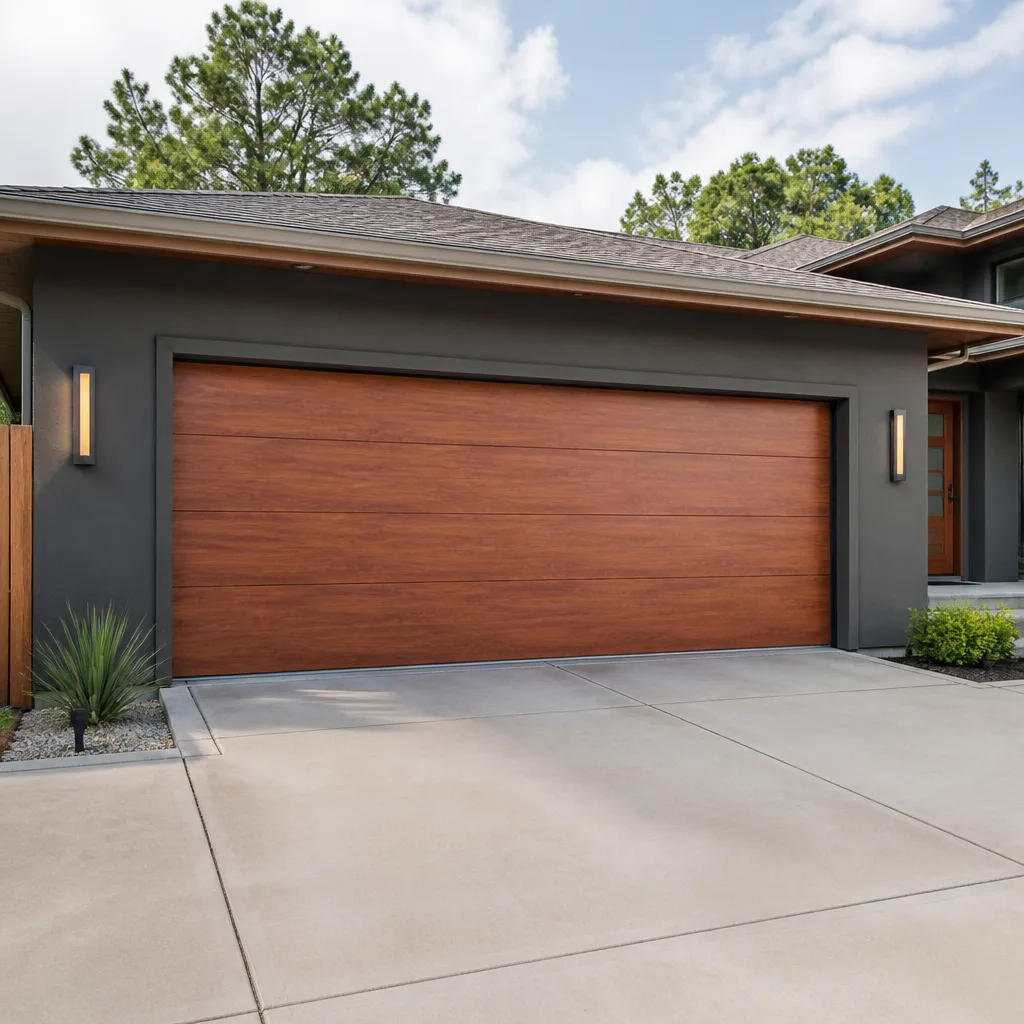
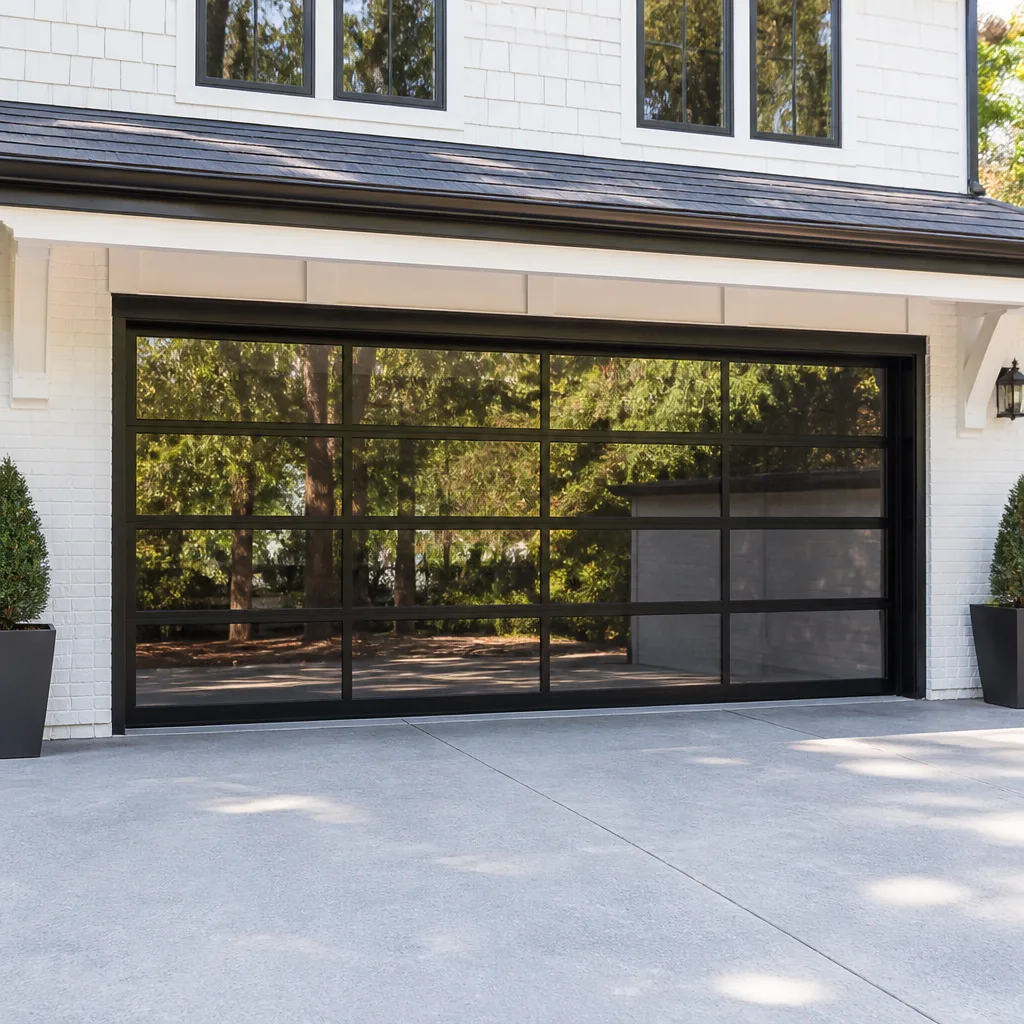
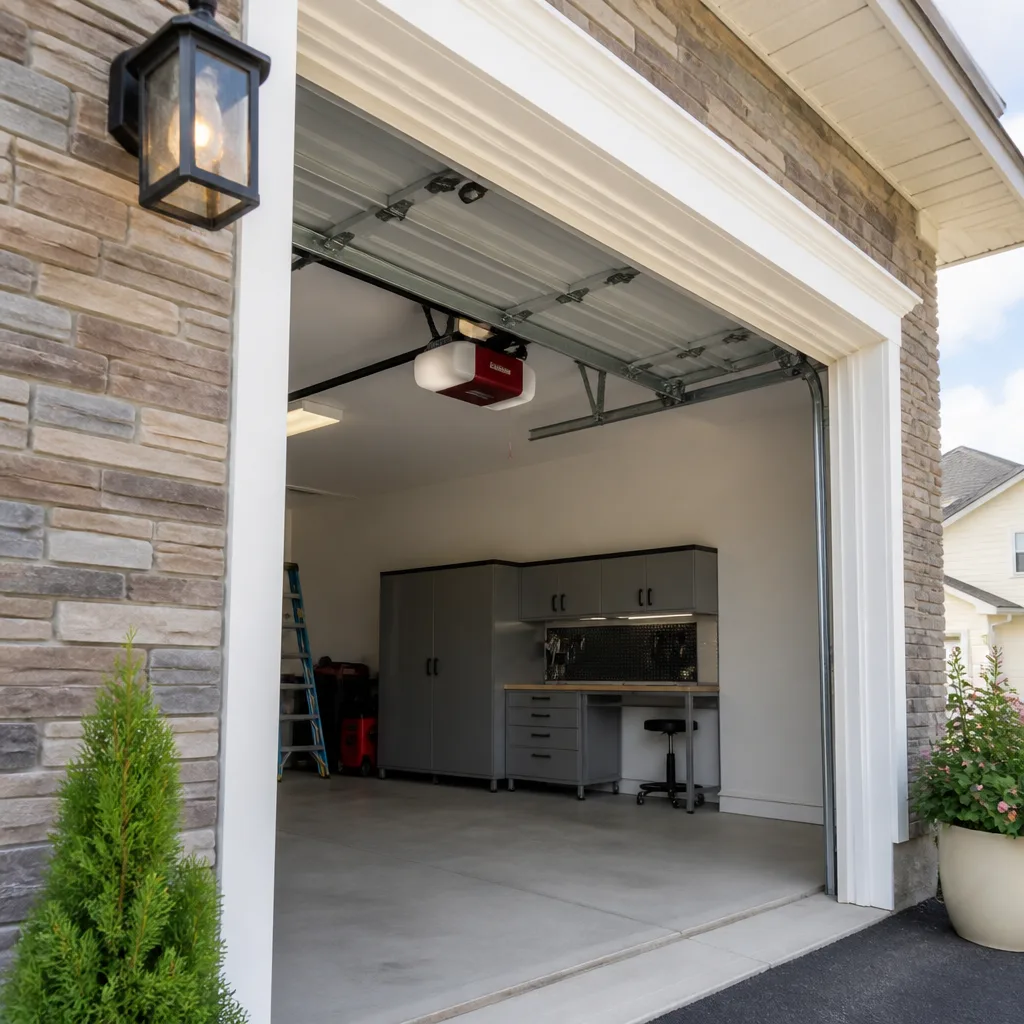
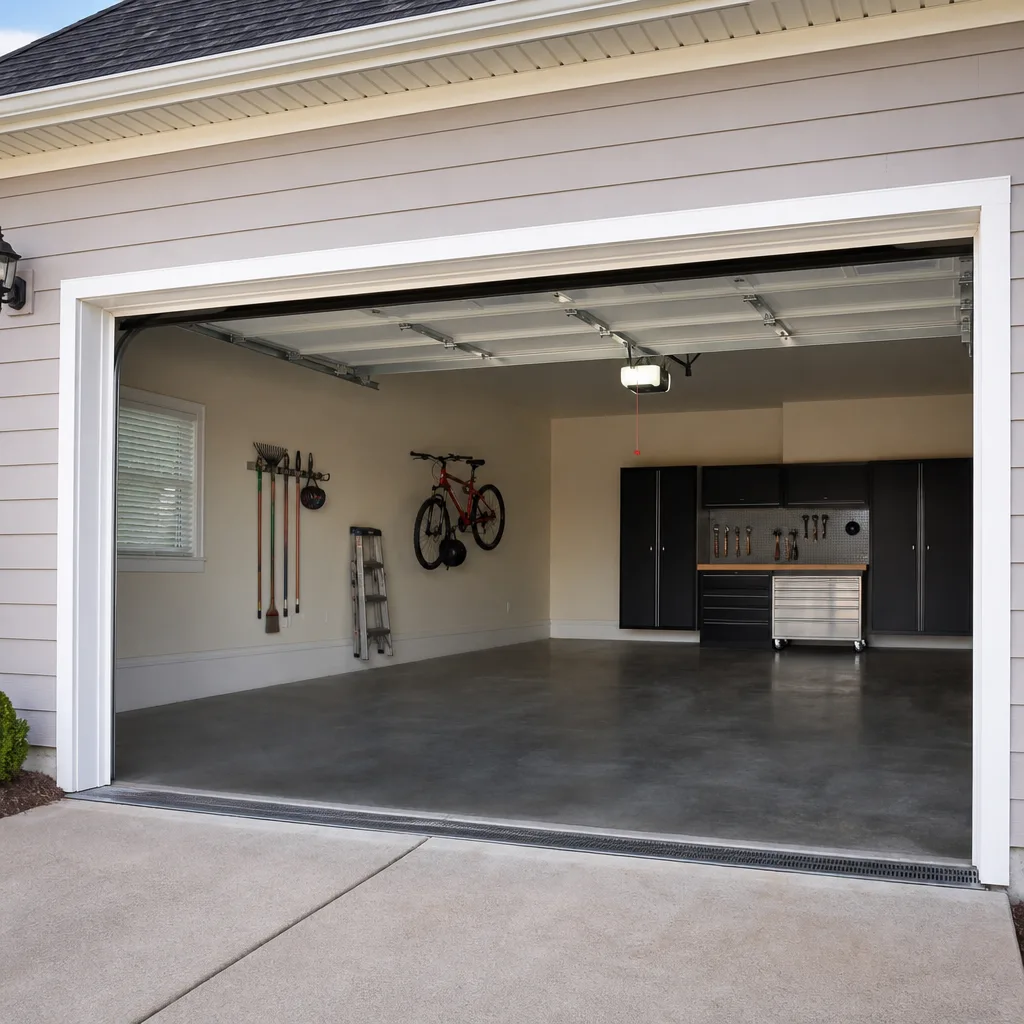
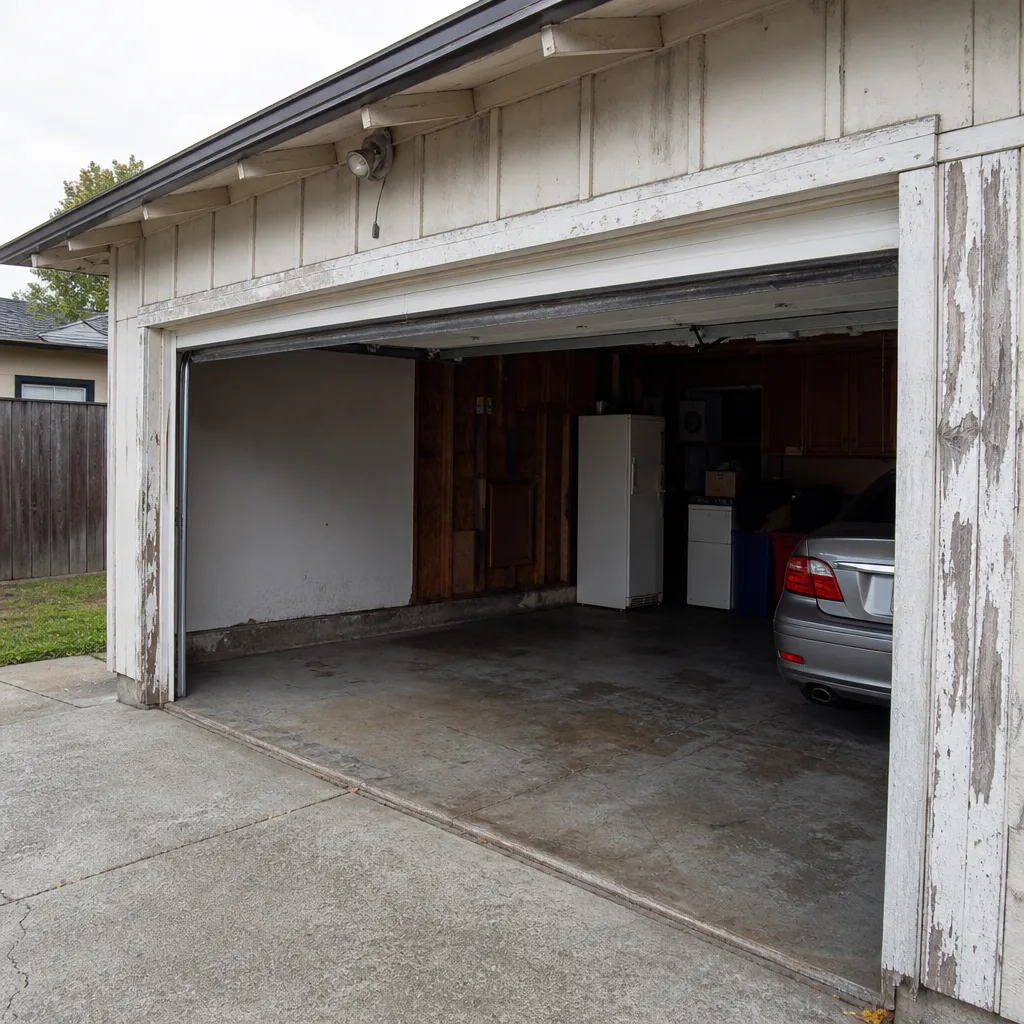 Before
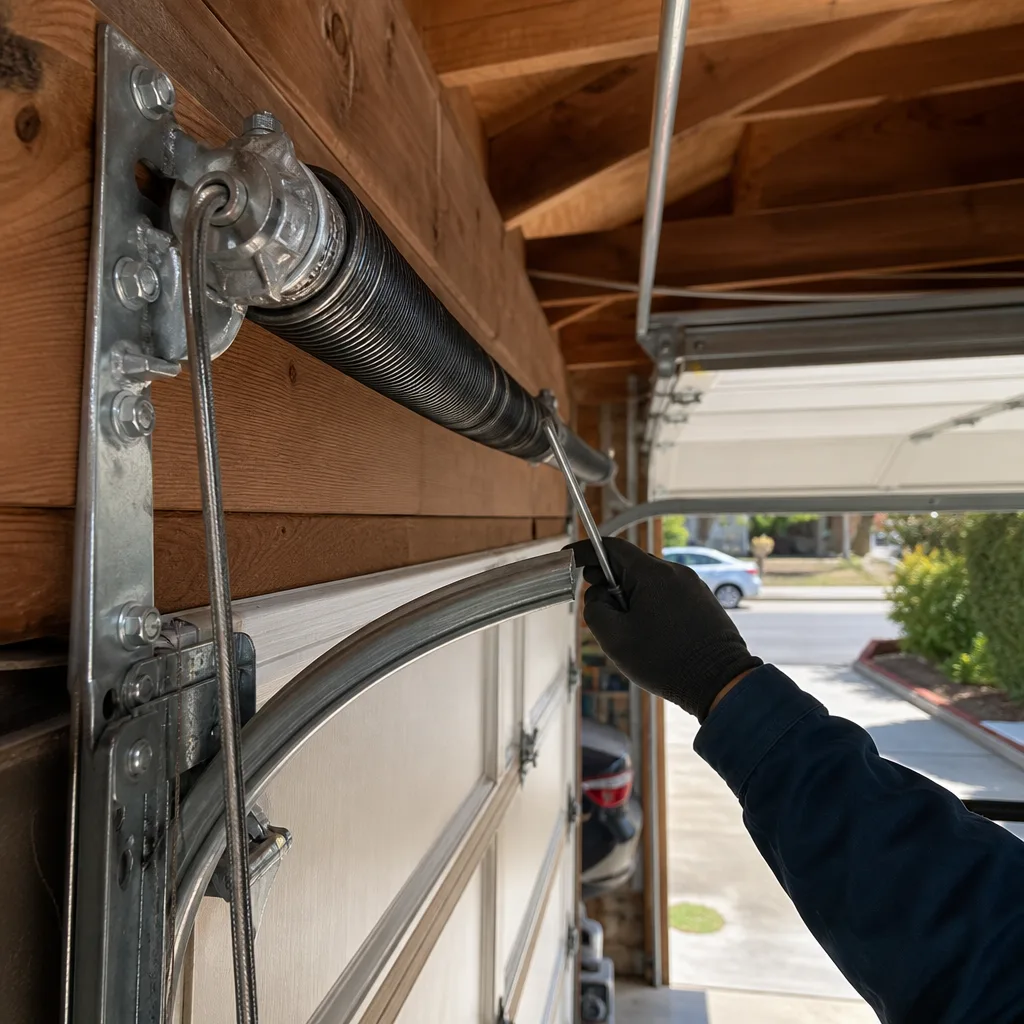 After
After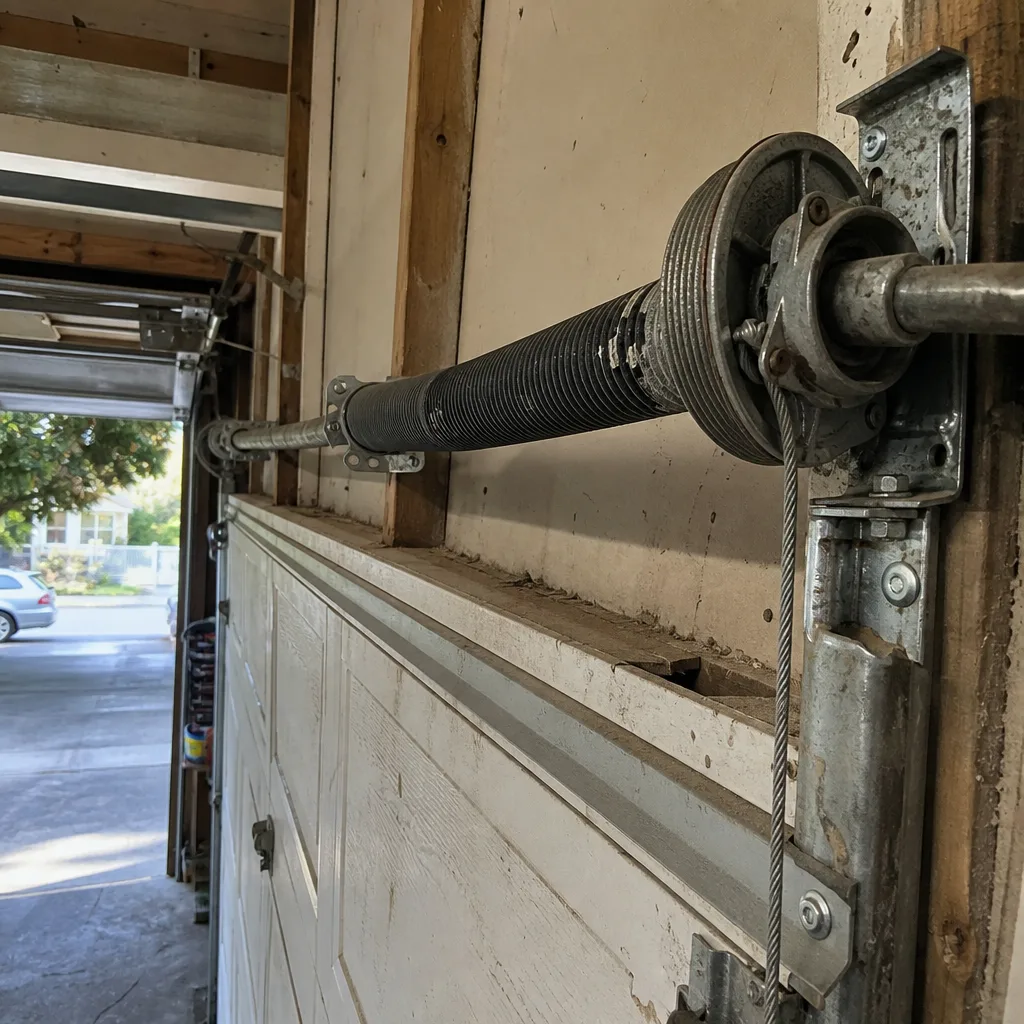 Before
 After
After Before
 After
AfterGarage Door Permits, Codes & Inspections in CA: What You Need to Know
Replacing a garage door panel-for-panel with the same specs typically requires no permit in Oakland - but changing the door’s opening size by even two inches triggers a structural review, a distinction most contractors mention only after the wall framing is already cut. California’s garage door permit rules are narrower than most homeowners assume, and knowing the exact threshold between exempt and permitted work prevents two costly errors: paying for paperwork you don’t need, or skipping paperwork that exposes you at resale. In this guide, we’ll walk through Oakland Building Services’ specific thresholds, California’s UL 325 and Title 24 operator requirements, what inspectors actually check, and the correct sequence from application to final sign-off. For Garage Door Warning Signs: A Oakland Homeowner’s Reference Guide, see our dedicated resource.
Quick Answer
Most like-for-like garage door replacements in Oakland require no permit, but any structural modification, electrical work, or size change mandates a permit through Oakland Building Services. Automatic opener replacements on pre-2016 units must meet current UL 325 and California Title 24 safety standards, which effectively requires a permit in most cases. Unpermitted work appears on property records and can trigger disclosure obligations during resale.
Table of Contents
- When Is a Permit Required in Oakland?
- What Garage Door Work Is Exempt?
- California Operator Codes: UL 325 & Title 24
- The Permit Process: Step by Step
- What the Inspection Actually Covers
- Unpermitted Work & Resale Consequences
- Can Your Contractor Pull the Permit?
- Common Mistakes to Avoid
- When to Call a Professional
- Frequently Asked Questions
 Before
 After
AfterWhen Is a Permit Required in Oakland?
Oakland Building Services draws a sharp line between maintenance and modification. A permit is required when your project involves any of the following:
- Structural changes: Altering the rough opening width or height, modifying or removing the header beam above the door, or cutting into wall framing to accommodate a different track configuration.
- Electrical work: Installing a new outlet for an opener, extending or modifying existing 120V wiring, or replacing a hardwired operator with a different voltage or amperage draw.
- Changing door dimensions: Even a two-inch increase in width or height crosses into structural territory because it affects load distribution and header sizing.
- Converting to or from a different door type: Switching from a sectional door to a roll-up coiling door, or from a standard lift to a high-lift or vertical-lift track system.
- New construction or additions: Any garage door installed in a newly built structure or an addition to an existing structure.
The structural threshold is where most Oakland homeowners get surprised. In the Rockridge and Temescal neighborhoods, we’ve seen contractors cut header height to accommodate a taller RV-style door without pulling a permit, only to have the homeowner discover the violation during a pre-listing inspection years later. The header above a garage door carries roof and second-floor loads; modifying it without engineering review risks both code violation and structural failure.
Electrical permits are less obvious but equally mandatory. California Electrical Code (based on NEC 2020 with state amendments) requires permits for any new circuit or modification to an existing circuit serving a garage door opener. This includes replacing a plug-in operator with a hardwired unit, or adding a dedicated outlet where none existed.
For Oakland specifically, Building Services categorizes garage door permits under either a Building Permit (structural/dimensional changes) or an Electrical Permit (wiring and operator work), or both if the project crosses into both categories. The combined permit fee for a typical structural plus electrical garage door project in Oakland runs approximately $350-$650, depending on valuation, with plan review adding 5-10 business days before issuance.
What Garage Door Work Is Exempt?
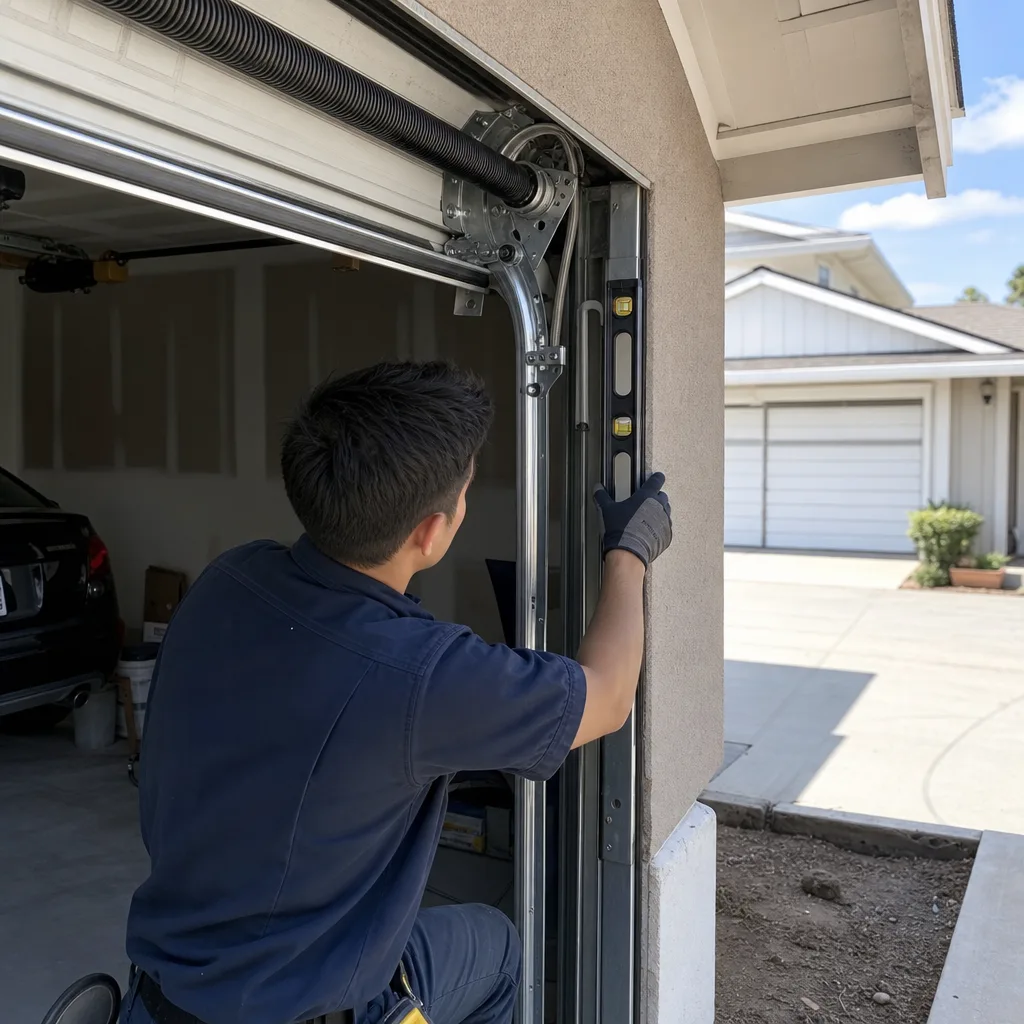
Not every garage door project needs a permit. Oakland Building Services exempts the following when no structural, electrical, or dimensional changes are involved:
- Panel-for-panel replacement: Swapping a damaged or worn door with a new unit of identical width, height, weight, and track configuration.
- Spring replacement: Replacing torsion springs or extension springs on existing hardware, including spring type and wire diameter changes that don’t affect door weight or balance.
- Roller, hinge, and cable replacement: Standard maintenance and wear-item replacement.
- Opener repair: Replacing a logic board, trolley carriage, limit switch, or safety sensor on an existing operator without modifying electrical supply.
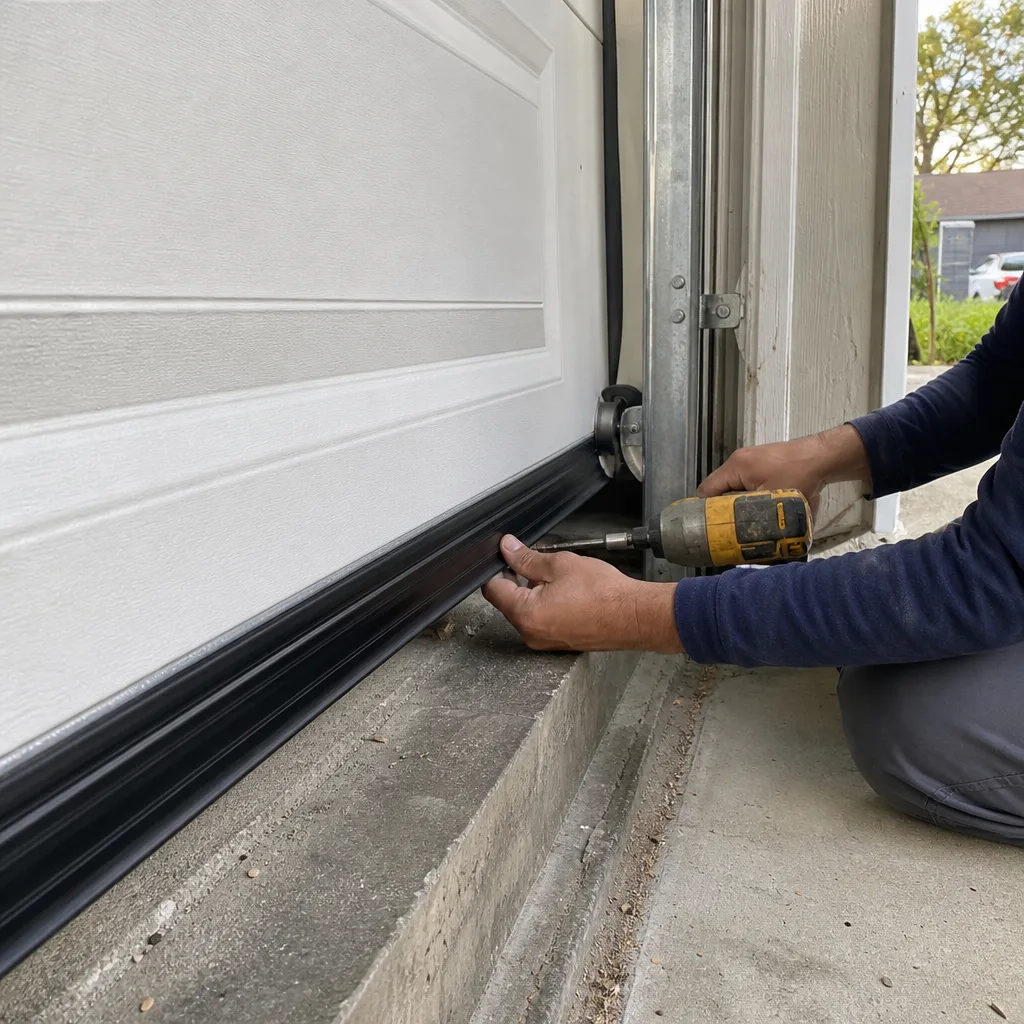
- Weatherstripping and seal replacement: Bottom seal, jamb seal, and threshold replacement.
- Cosmetic refinishing: Painting, staining, or applying decorative hardware that doesn’t penetrate the door surface.
The key exemption criteria are “like-for-like” and “no electrical modification.” In our experience across Oakland’s hillside neighborhoods - Montclair, Piedmont Pines, Oakmore - the majority of service calls fall into exempt categories. A homeowner with a 16-foot by 7-foot steel sectional door who wants another 16-foot by 7-foot steel sectional door, same track type, same opener connection, needs no permit.
However, exemption does not mean exemption from code compliance. Even permit-exempt work must meet current safety standards. A new garage door installation, even panel-for-panel, must include functioning safety reverse mechanisms if an automatic operator is attached. The door itself must bear a wind-load rating appropriate for Oakland’s exposure category - a consideration that matters more in the wind-prone hills than in the flatlands near the estuary.
We’ve documented cases in the Redwood Heights area where a permit-exempt replacement used a lighter-gauge door than the original, causing premature spring failure because the spring system wasn’t recalibrated for the changed door weight. The work was legal without a permit, but the outcome was a callback within 18 months. That’s why Clause 4 of The Haven Standard requires photographing the existing door’s stamp and hardware before quoting any replacement - the documentation prevents mismatches that exemption status alone won’t catch.
California Operator Codes: UL 325 & Title 24
Garage door openers operate under two overlapping California requirements that many contractors treat as optional: UL 325 (the national safety standard for door, drapery, gate, louvre, and window operators and systems) and California Title 24, Part 6 (the California Energy Code, which includes standby power requirements for garage door openers).
UL 325: The Safety Standard That Changed in 2019
UL 325 specifies entrapment protection requirements for automatic operators. Since 1993, all residential garage door openers have been required to include automatic reverse functionality - the door must reverse upon contacting an obstruction. The 2019 revision to UL 325 strengthened these requirements:
- Constant pressure closing: Wall-mounted constant pressure controls must be within sight of the door.
- Monitored safety reverse system: The system must detect a 2×4-inch board placed flat on the floor and reverse within 2 seconds of contact.
- Photo-eye redundancy: External entrapment protection (photo eyes) must be monitored - if the photo eye circuit fails, the opener must not close the door via remote control.
- Force setting verification: Downward force must be tested and documented at installation.
In Oakland, any permit involving an opener replacement triggers verification of UL 325 compliance. The inspector will test the safety reverse with a 2×4 board and check photo eye alignment and wiring. Pre-2019 openers that still function are not required to be replaced, but any new installation or replacement must meet the current standard.
Title 24: The Hidden Energy Requirement
California Title 24, Part 6, Section 110.6(c) establishes standby power limits for garage door openers. Effective July 1, 2019, any new garage door opener installed in California must draw no more than 3 watts in standby mode. This effectively banned many older opener designs and pushed the market toward DC motor units with smart standby features.
The practical impact: if you’re replacing a pre-2016 opener in Oakland, the new unit must be Title 24 compliant. Most current models from LiftMaster, Craftsman, and Wayne Dalton meet this standard, but inventory closeouts and online gray-market units sometimes don’t. The model number alone doesn’t guarantee compliance; the specific SKU must appear on the California Energy Commission’s certified appliances database.
We’ve encountered this in Oakland’s Dimond and Laurel districts, where homeowners purchased openers online to “save money,” only to have the installation permit rejected because the unit lacked Title 24 certification. The return shipping often erased any savings, and the permit delay pushed the project into a second week. Our approach - specifying compliant units upfront and documenting the CEC certification number before ordering - prevents this entirely. It’s part of why we deliver a written price and written scope before any work starts, per Clause 1 of The Haven Standard. For How to Hire a Garage Door Contractor in Oakland: A Step-by-Step Guide, review our hiring framework.
The Permit Process: Step by Step
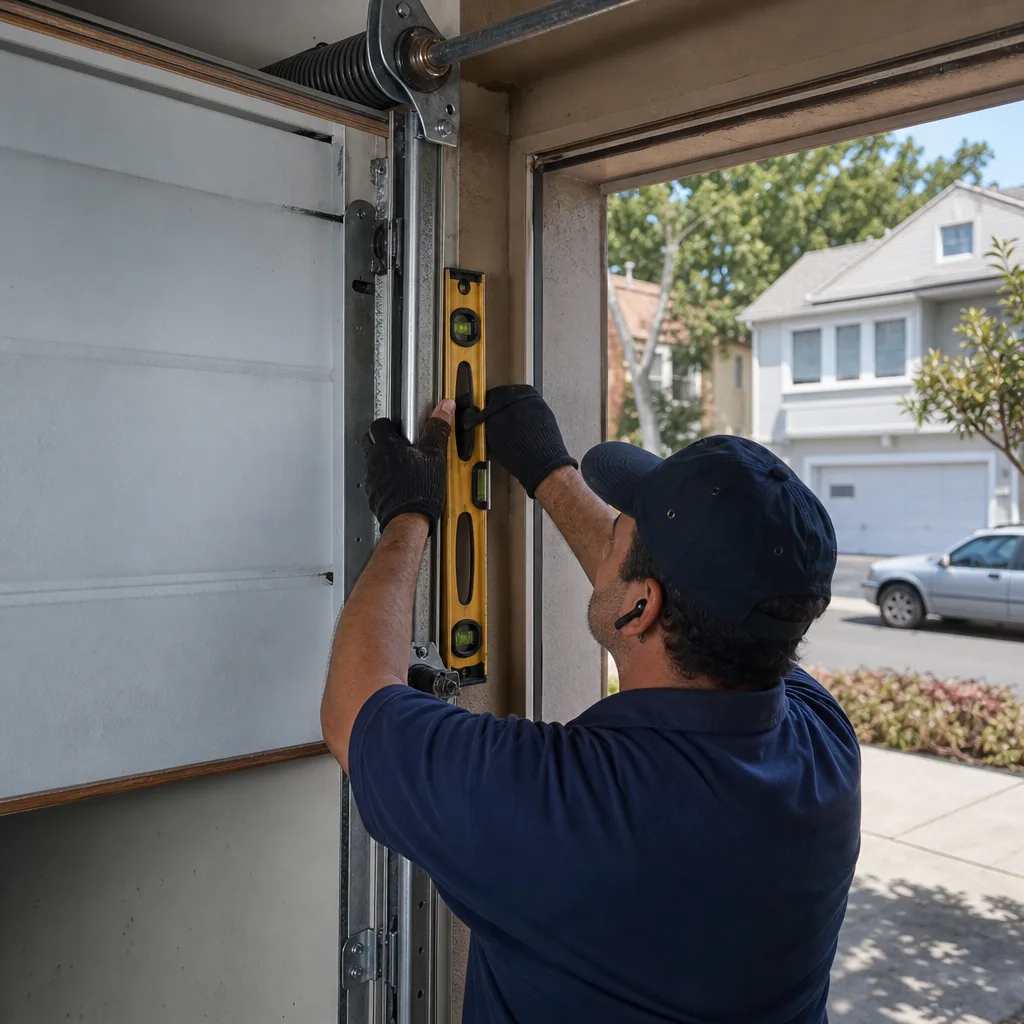
For Oakland homeowners who do need a permit, the sequence matters. Skipping steps or performing work out of order creates inspection failures and rework. Here’s the correct order:
- Determine permit type: Building only, electrical only, or both. Oakland Building Services provides a project wizard at oaklandca.gov/building that walks through this. For garage door projects, select “Door/Window” for structural changes or “Electrical” for operator work.
- Prepare plans and specifications: For structural permits, submit a site plan showing the existing and proposed door location, a cross-section showing header and framing details, and manufacturer specifications for the new door. For electrical permits, submit a single-line diagram showing the circuit and load calculations. Most garage door contractors can prepare these; homeowners rarely need an architect for straightforward replacements.
- Submit application and pay fees: Oakland accepts online submission through the Accela Citizen Access portal. Typical review time is 5-10 business days for simple garage door projects. Express review (24-48 hours) is available for an additional fee.
- Receive permit and post on site: The permit card must be visible from the street before work begins.
- Schedule inspections in sequence:
- Rough inspection (if applicable): For electrical work, before wall closure. For structural work, before insulation and finish materials cover framing.
- Final inspection: After all work is complete and operational. The door must be fully installed, opener connected and programmed, and all safety features functional.
- Obtain final sign-off: The inspector approves the permit online, and Oakland Building Services issues a Certificate of Final Completion. Retain this document; it becomes part of your property’s permit history.
Total timeline from application to final sign-off: typically 2-4 weeks for straightforward projects, longer if plan review identifies issues. In our experience, the most common delay in Oakland is incomplete manufacturer specifications - particularly for custom wood doors or imported hardware. We submit complete spec packages with every permit application we handle, including UL 325 test reports and Title 24 compliance letters, to prevent this delay.
One Oakland-specific consideration: hillside properties in areas like Piedmont Pines and Skyline Estates may trigger additional geotechnical or grading review if the garage door modification affects a retaining wall or hillside stability. This isn’t common for standard replacements, but widening a door in a hillside garage sometimes does. We flag this possibility during our initial site evaluation and include it in our written scope so there are no surprises after permit submission.
What the Inspection Actually Covers
Homeowners often assume the inspector evaluates finish quality, color match, or smoothness of operation. They don’t. The inspection is a safety and code compliance check, not a cosmetic review. Here’s what Oakland inspectors actually verify:
| Inspection Element | What the Inspector Checks | Common Failure Point |
|---|---|---|
| Header bracket attachment | Opener header bracket is lag-bolted into solid framing or a properly sized header, not just drywall or trim | Bracket attached to 1x trim board instead of doubled 2x header |
| Safety reverse sensitivity | Door reverses within 2 seconds of contacting a 2×4 board laid flat on the floor | Force setting too high; door crushes board or doesn’t reverse |
| Photo eye alignment and height | Photo eyes mounted 6 inches or less above floor, aligned, unobstructed, and wired correctly | Eyes mounted too high, misaligned, or extension spliced without junction box |
| Wall button location | Wall control is within sight of the door and at least 5 feet above floor to prevent small-child operation | Button installed behind door swing or too low |
| Emergency release | Red manual release handle is visible and accessible, trolley disconnects properly | Handle painted over, removed, or trolley seized |
| Electrical connection | Opener is properly grounded, circuit is correct amperage, GFCI protection where required | Ungrounded plug adapter, extension cord used as permanent wiring |
| Door balance | Door stays at any position when disconnected from opener (springs properly calibrated) | Door falls or rises on its own; spring tension incorrect for door weight |
The inspection typically takes 15-30 minutes. The homeowner or contractor must be present to operate the door. In Oakland, inspectors generally don’t schedule specific appointment times; they provide a morning or afternoon window, and the responsible party must be available. We coordinate our installation schedule around inspection windows and provide the technician’s direct contact to the inspector, which reduces callbacks and failed inspections.
One detail competitors rarely mention: if your project required both building and electrical permits, both inspectors must sign off before the permit is closed. We’ve seen cases where the building inspector approved but the electrical inspector flagged a grounding issue, leaving the permit open and the project technically incomplete. Our documentation protocol includes verifying both permit closures before we consider a job finished - another application of Clause 4’s photo-record standard.
Unpermitted Work & Resale Consequences
Unpermitted garage door work doesn’t disappear when the project ends. It enters your property’s permanent record in ways that matter at resale.
Oakland, like all California cities, maintains a permit history for every parcel. This history is searchable by buyers, inspectors, and appraisers. When a permit should have been pulled but wasn’t, several consequences follow:
- Disclosure obligation: California Civil Code Section 1102 requires sellers to disclose “material facts” affecting property value. Unpermitted structural or electrical work qualifies. The Transfer Disclosure Statement specifically asks about room additions, structural modifications, and electrical work performed without permits. A garage door opening modification falls under this.
- Buyer’s leverage: Buyers can demand permit retroactivity as a condition of sale, requiring the seller to apply for a permit after the fact, pay penalties (typically 1.5x-3x the original fee), open walls for inspection, and correct any code violations found. This often costs more than the original project.
- Insurance complications: Some insurers deny claims for damage related to unpermitted work. A garage fire traced to unpermitted electrical work on an opener installation could be contested.
- Appraisal impact: Appraisers may exclude unpermitted square footage or improvements from valuation. While a garage door change rarely affects square footage, it can trigger a broader review of permit compliance that affects the entire property.
In Oakland’s competitive real estate market, particularly in neighborhoods like Rockridge, Grand Lake, and Glenview where pre-sale inspections are standard, unpermitted work is frequently caught before listing. The cost to remediate - permit application, penalties, inspection, potential rework - typically runs $800-$2,500 for garage door projects, versus the $350-$650 the original permit would have cost.
There’s a narrower but real risk even for exempt work: if a later project requires permits, the inspector may notice prior unpermitted work that wasn’t actually exempt. We documented a case in the Maxwell Park area where a homeowner’s permitted kitchen remodel triggered a garage inspection because the inspector noticed a new opener that didn’t match the permit history. The opener replacement had been performed without an electrical permit because the contractor claimed it was “just a swap.” It wasn’t - the hardwired connection required a permit. The homeowner paid a $450 penalty and had the work reinspected.
The documentation we provide - the written scope, the photo record, the permit copies when applicable - gives our customers a paper trail that protects them at resale. It’s not just about the immediate repair; it’s about what the next buyer’s inspector will find.
Can Your Contractor Pull the Permit?
Yes, and in most cases, they should. California law allows licensed contractors to pull permits on behalf of property owners. For garage door work, the relevant license classifications are:
- C-61/D-28 (Doors, Gates, and Activating Devices): The specific classification for garage door installation and repair. Contractors with this classification can pull building permits for door replacements and modifications.
- C-10 (Electrical): Required for electrical permit work on openers, including new circuits and hardwired installations.
- B (General Building): Can perform and permit structural garage door work as part of broader construction projects.
A contractor pulling a permit assumes legal responsibility for code compliance. This is standard and appropriate. However, Oakland Building Services requires the property owner to sign an authorization form, and the permit is issued in the owner’s name with the contractor listed as the responsible party. The owner remains ultimately liable for ensuring the work is permitted, even if the contractor handles the paperwork.
Red flags to watch for:
- A contractor who says “homeowners don’t need permits for this” without explaining the specific exemption criteria. Exemptions exist, but they have boundaries.
- A contractor who asks the homeowner to pull the permit “to save money.” This transfers liability to the homeowner and often indicates the contractor lacks the proper license or insurance.
- A contractor who won’t provide their license number for permit application. California requires license verification for permit issuance.
At Servo Garage Doors Oakland, we pull permits for all projects that require them, and we explain clearly when a project is exempt and why. Our license number appears on every written scope, every permit application, and every photo record we deliver. Clause 1 of The Haven Standard - written price before any work starts - applies to permit costs too. If a permit is required, its estimated fee is itemized in your quote, not added as a surprise after work begins.
We’ve also handled permit remediation for homeowners who discovered unpermitted work from previous contractors. This involves applying for a permit after the fact, opening the work for inspection, correcting deficiencies, and paying penalties. It’s more expensive and disruptive than doing it right the first time, but it’s better than carrying the liability to resale. We document the remediation fully so the property record shows clean closure.
Common Mistakes to Avoid
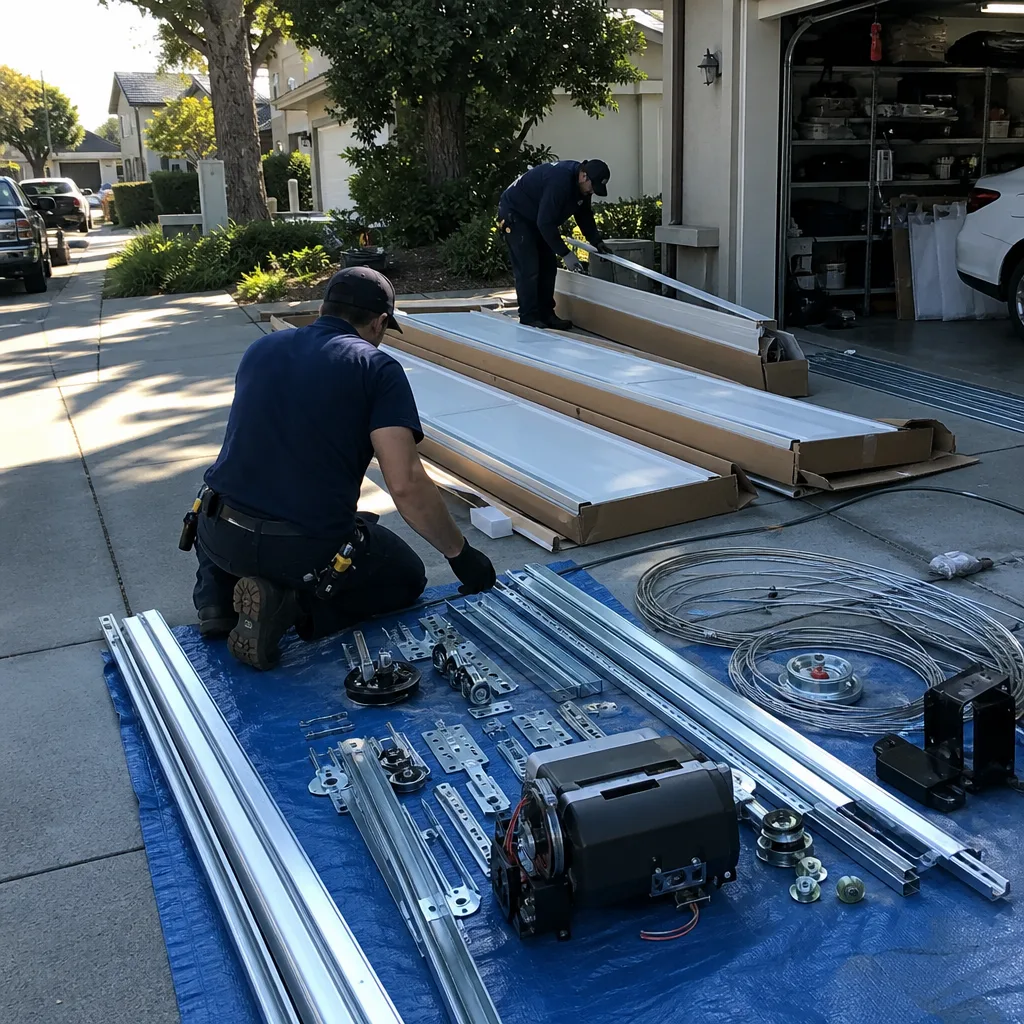
- Assuming “same size” means “no permit” without checking track type. A 16×7 door replacement that switches from standard lift to high-lift track changes the header loading and requires structural review, even with identical dimensions.
- Letting a contractor start work before permit issuance. Oakland inspectors can issue stop-work orders and require removal of completed work for inspection access. The permit card must be posted before work begins.
- Buying an opener online without verifying Title 24 compliance. That “great deal” on a closeout model may lack California certification, forcing return and repurchase after permit rejection.
- Ignoring the electrical permit for hardwired opener replacements. Swapping a plug-in for a plug-in is usually exempt, but any hardwired connection or new circuit requires an electrical permit.
- Failing to retain final permit documentation. The Certificate of Final Completion is your proof of compliant work. Store it with your property records, not in the garage where moisture destroys paper.
- Hiring an unlicensed handyman for “simple” work. Unlicensed individuals cannot pull permits, and their work carries no warranty recourse through the California Contractors State License Board.
- Assuming Oakland’s rules match neighboring cities. Berkeley, Alameda, and San Leandro have different fee schedules, review timelines, and sometimes different exemption thresholds. Verify with the specific jurisdiction.
When to Call a Professional
Call a licensed garage door contractor when your project involves structural changes, electrical work, opener replacement on a pre-2016 unit, or any uncertainty about permit status. The cost of professional guidance is minor compared to the cost of permit remediation or resale liability. Our Garage Door Repair Maintenance Checklist for Oakland Homeowners covers routine care that helps avoid emergency replacements.
Servo Garage Doors Oakland offers free estimates in Oakland - call (628) 300-0423. We’ll evaluate your specific project, identify whether a permit is required, and if so, itemize the permit cost in your written quote before any work begins. Every estimate includes a documented photo record of existing conditions, and our 365-Day Done Right Promise applies to permitted and exempt work alike. If you’re comparing bids, bring us any competing written estimate; our Free Second Opinion applies with no coupon required.
Frequently Asked Questions
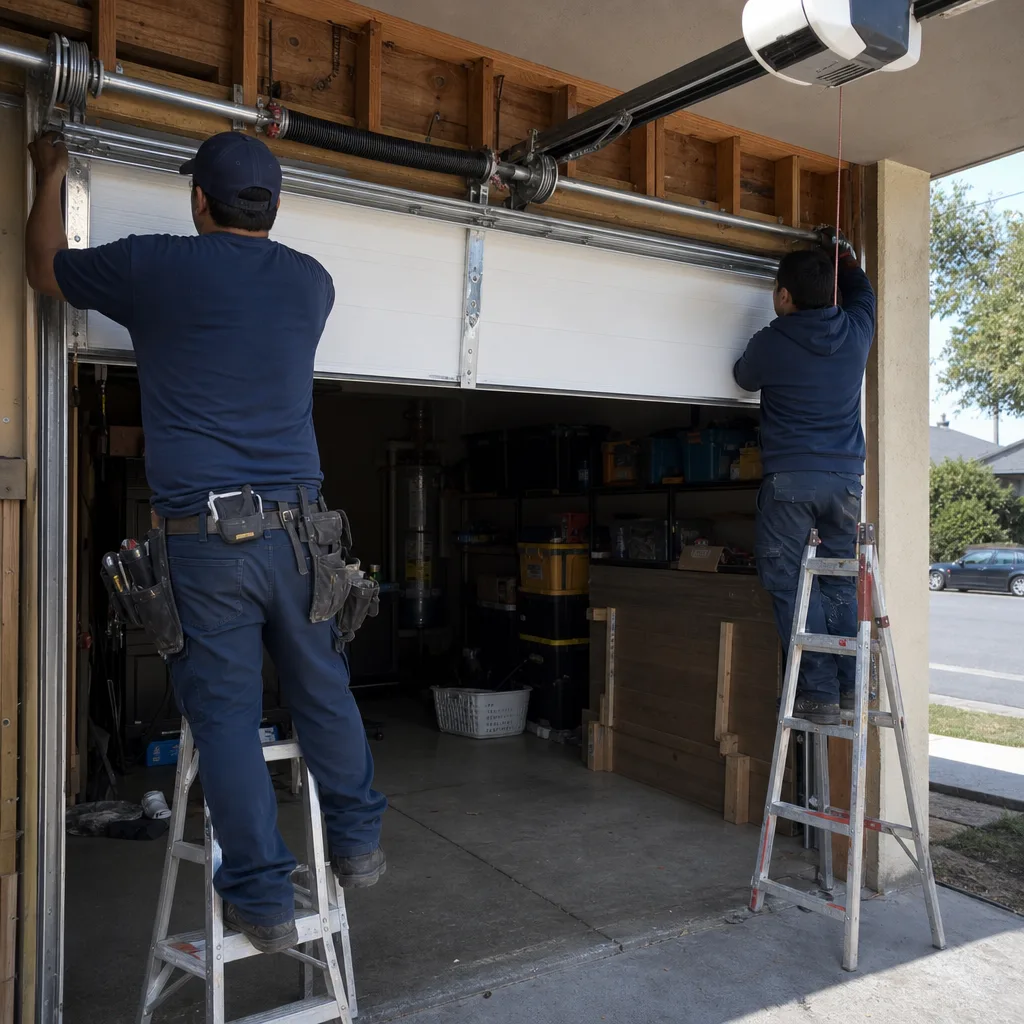
Not if it’s a true panel-for-panel replacement with identical dimensions, weight, and track configuration. Any size change, structural modification, or switch to a different door type requires a building permit through Oakland Building Services. Call (628) 300-0423 and we’ll evaluate your specific situation during a free estimate.
It depends on the electrical connection and the opener’s age. A plug-in replacement of a post-2019 opener with another compliant unit usually needs no permit. Hardwired installations, new circuits, or replacement of pre-2016 openers that must meet current UL 325 and Title 24 standards typically require an electrical permit. We verify compliance before quoting.
A building permit for structural garage door modifications typically runs $250-$450 in Oakland. An electrical permit for opener work adds $100-$200. Combined permits for projects involving both usually total $350-$650. These fees are itemized in our written quotes when applicable - never added after the fact.
California requires disclosure of unpermitted structural and electrical work on the Transfer Disclosure Statement. Buyers may demand retroactive permitting, which costs 1.5x-3x the original fee plus potential rework. In Oakland’s competitive market, pre-sale inspections frequently catch unpermitted work before listing.
Yes. Licensed contractors with C-61/D-28, C-10, or B classifications can pull permits on behalf of homeowners. The permit is issued in the owner’s name with the contractor as responsible party. We handle permit applications for all qualifying projects and include the estimated fee in your upfront written quote.
Plan review for straightforward garage door permits typically takes 5-10 business days. Express review is available for an additional fee. After permit issuance, inspections are usually scheduled within 3-5 business days. Total timeline from application to final sign-off: 2-4 weeks for typical projects.
The inspector verifies safety systems and structural compliance, not cosmetics. Specific checks include safety reverse sensitivity with a 2×4 board, photo eye alignment and height, header bracket attachment into solid framing, proper electrical grounding, and door balance when disconnected from the opener. The inspection takes 15-30 minutes.
The Bottom Line
California’s garage door permit requirements are narrower than most homeowners assume, but the boundaries matter. Like-for-like replacements in Oakland need no permit; structural, electrical, or dimensional changes do. Pre-2016 opener replacements must meet current UL 325 and Title 24 standards, which effectively requires permitting in most cases. The inspection focuses on safety systems, not appearance. Unpermitted work creates resale liability under California’s disclosure requirements. The correct sequence - determine permit need, apply before work begins, pass inspection, obtain final sign-off - protects your investment and your property record. Documentation at every stage is your defense against future disputes. Explore more guides & resources for Oakland homeowners.
Written by Marcus Deller, Owner at Servo Garage Doors Oakland, serving Oakland since 2015.